
When Was Japan Founded? The True History of the Rising Sun
Disclaimer: This post may contain affiliate links, meaning we earn a small commission if you make a purchase through our links, at no additional cost to you. As an Amazon Associate, I earn from qualifying purchases.
Understanding the origins of the Land of the Rising Sun is a fascinating journey through ancient myths, imperial lineages, and complex archaeological records. Before packing your bags or planning an epic japan cycling adventure through its mountainous landscapes, diving deep into the historical roots of this unique nation adds an incredible layer of appreciation to your travels.
But pinning down an exact date for when japan was founded depends entirely on whether you are looking through the lens of traditional Japanese mythology or verified historical science. Let’s break down the layers of history that birthed one of the world’s oldest and most resilient civilizations.
📌 Key Takeaways (TL;DR)
- Mythological Date: Traditional legends state Japan was founded on February 11, 660 BC by its first ruler, Emperor Jimmu.
- Historical Timeline: Actual political unification occurred much later, around the 3rd and 4th centuries AD under the Yamato court.
- Modern Transition: The contemporary state structure was built during the Meiji Restoration in 1868.
- National Holiday: Every year on February 11th, the country celebrates National Foundation Day to honor its deep cultural heritage.
You’ll see
The Mythological Origins: Emperor Jimmu (660 BC)
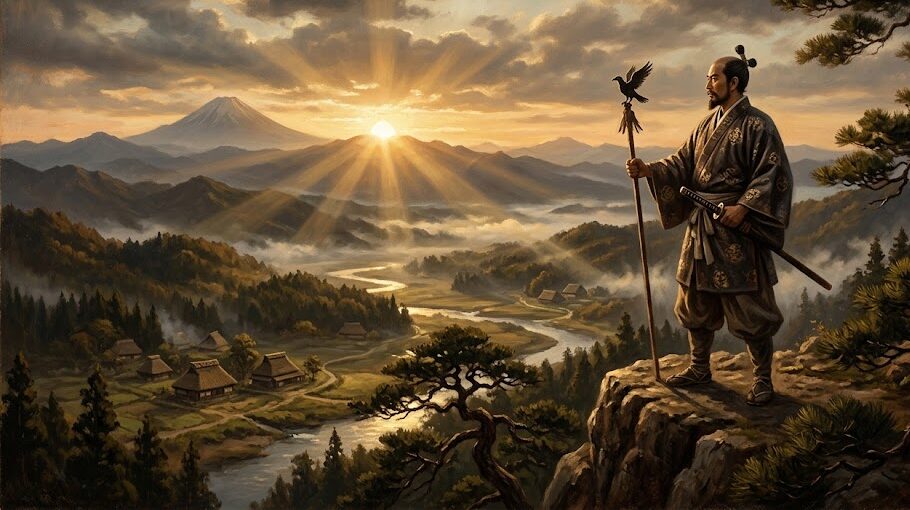
Japan was mythologically founded on February 11, 660 BC, by the legendary Emperor Jimmu, a direct descendant of the Shinto sun goddess Amaterasu.
According to ancient Japanese chronicles known as the Kojiki and the Nihon Shoki, the nation’s history officially began over two and a half millennia ago. Traditional accounts state that Emperor Jimmu unified the warring clans of central Japan and ascended to the throne on the first day of the first lunar month in 660 BC.
This date marks the foundation of the Imperial House of Japan, which stands today as the oldest continuous hereditary monarchy in the world. While modern historians view Emperor Jimmu as a legendary figure rather than a strictly historical one, this narrative remains the cultural bedrock of the country’s national identity.
Archaeological Truth: The Evolution of Ancient Japan
Archaeological evidence shows that the Japanese archipelago was settled around 14,000 BC during the Jomon period, transitioning into a unified state between the 3rd and 4th centuries AD.
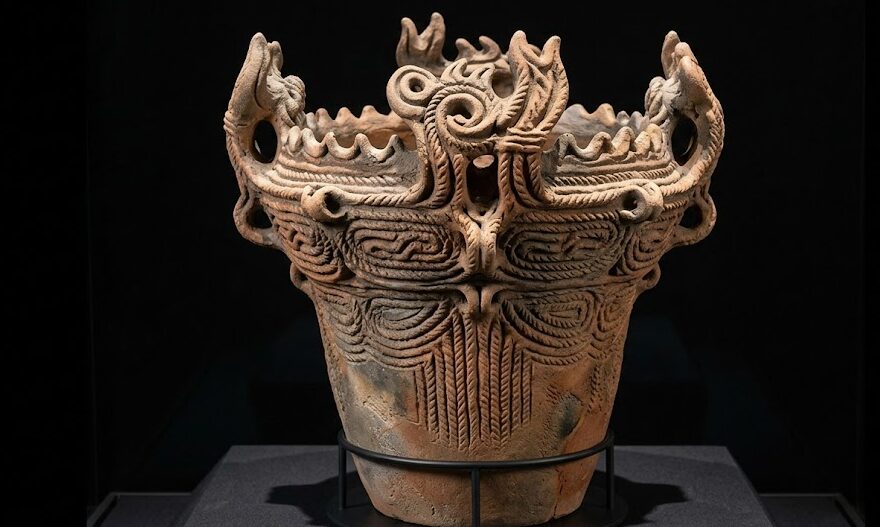
Looking past the myths, science tells a different story about how the nation was built. The earliest human habitation of the islands dates back to the prehistoric Jomon period, characterized by nomadic hunter-gatherers who created some of the oldest pottery in human history.
True political unification didn’t occur until the late Yayoi and early Kofun periods (around the 3rd to 4th centuries AD). During this time, powerful clans in the Yamato region (near modern-day Nara and Kyoto) established a centralized court. It was this Yamato state that expanded its control, absorbed neighboring territories, and eventually adopted the name Nihon (Japan), meaning “Origin of the Sun.”
The Birth of Modern Japan: The Meiji Restoration
The modern nation-state of Japan was officially established on November 29, 1890, with the enforcement of the Meiji Constitution.
While ancient roots run deep, the political structure of the Japan we know today was forged in the late 19th century. For over 250 years, the country lived in complete isolation under the feudal rule of the Tokugawa Shogunate.
That all changed in 1868 with the Meiji Restoration, an era that rapidly modernized and westernized the country. The feudal system was abolished, the Emperor was restored to direct political power, and a brand-new Western-style constitutional monarchy was born. This transformation turned Japan into a global industrial powerhouse almost overnight.
Kenkoku Kinen no Hi: Celebrating National Foundation Day
Japan celebrates its foundation annually on February 11th as National Foundation Day (Kenkoku Kinen no Hi), reflecting its rich cultural heritage.
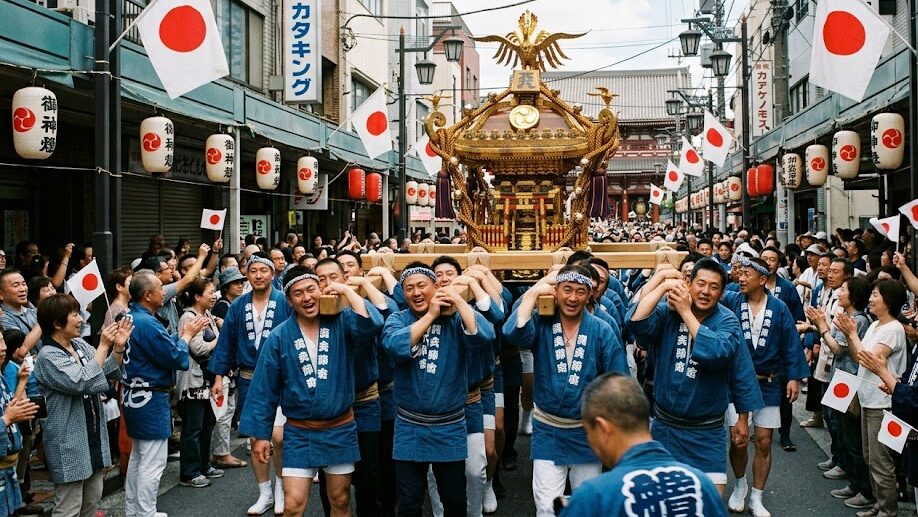
Despite the modern shifts, Japan still honors its legendary beginnings. In 1872, the Meiji government established February 11th as a national holiday to mark the ascension of Emperor Jimmu. Originally called Kigen-setu (Empire Day), it was abolished after World War II but later reinstated in 1966 under its current name, Kenkoku Kinen no Hi.
Today, National Foundation Day is a quiet holiday marked by reflection rather than massive military parades. Citizens fly the national flag, Shinto shrines host traditional festivals, and the country celebrates its survival, evolution, and long-standing historical continuity.
Frequently Asked Questions – When Was Japan Founded
Who officially founded Japan?
Emperor Jimmu is recognized as the legendary founder of Japan. According to traditional Shinto records, he unified the central region of the country and established the imperial bloodline that continues to this day.
How old is the country of Japan?
Japan is over 2,600 years old based on traditional dating systems. However, modern historical consensus states that a fully unified Japanese state emerged roughly 1,700 years ago.
What was Japan originally called?
Japan was originally known as Wa or Yamato by early civilizations. Around the 7th century, the court officially adopted the name Nihon or Nippon, which translates to the “Land of the Rising Sun.”
Why is February 11th significant in Japan?
February 11th is celebrated as National Foundation Day (Kenkoku Kinen no Hi). This specific date was selected to honor the mythological ascension of Emperor Jimmu to the throne in 660 BC.
Is Japan the oldest country in the world?
Japan holds the record for the oldest continuous hereditary monarchy in the world. While other civilizations have older roots, Japan’s imperial family has remained unbroken throughout its recorded history.
When did Japan become a modern nation?
Japan modernized during the Meiji Restoration beginning in 1868. This pivotal era ended centuries of military rule by the Shogun and established a modern constitutional government.