St. Augustine: Discovering Augustine History in America’s Oldest City
Disclaimer: This post may contain affiliate links, meaning we earn a small commission if you make a purchase through our links, at no additional cost to you. As an Amazon Associate, I earn from qualifying purchases.
When you visit st. augustine, you are stepping directly into america’s oldest city. Boasting over 450 years of fascinating events, augustine history is the foundation of early American exploration. Recognized officially as the oldest continuously inhabited european-established settlement within the borders of the continental united states, augustine is the oldest continuously occupied city by European settlers.
From the first days of 1565 by spanish fleets to the modern civil rights era, the legacy of this old city is unmatched. Let’s explore st. augustine’s history and discover the breathtaking historic landmarks that make this florida state park region so incredibly unique.
Early Augustine History: The Timucua and Ponce de Leon
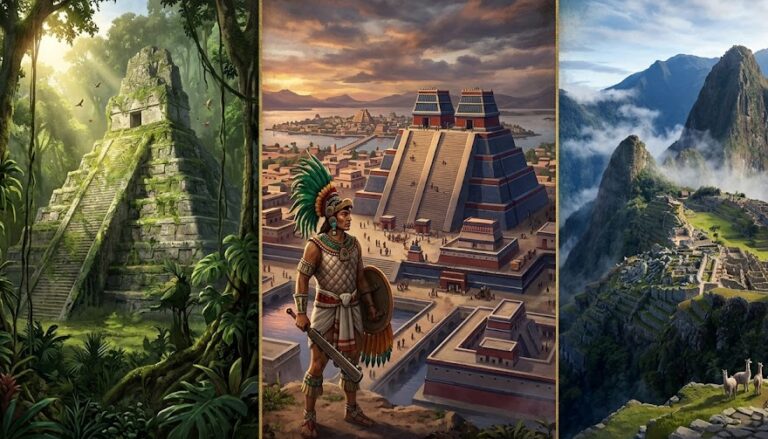
Long before a european settlement existed here, the local native population known as the timucua inhabited the region. They established complex trade networks and thrived in the coastal climate.
The first European to document the area was the famous spanish explorer, juan ponce de león. In 1513, ponce de leon claimed the land for Spain, naming it “La Florida.” Although juan ponce de Leon did not build a permanent city, his voyages paved the way for future expeditions. It wasn’t until decades later that king philip ii of spain ordered a formal spanish settlement to be established to protect Spanish trade routes.
How Augustine Was Founded: The 1565 European Settlement
So, exactly how and when did this happen? Augustine was founded in 1565 by spanish explorer Admiral pedro menéndez de avilés. To be precise, it was founded in september 1565. Upon arrival, Menéndez named the region after San Agustín.
The early spanish settlers faced harsh conditions. After successfully capturing the French outpost, fort caroline on the st. johns river, the spanish arrived to solidify their control. Because it was founded in 1565, this makes St. Augustine the oldest settlement in the continental united states. To defend their new territory, the settlers built several wooden forts before eventually constructing the massive castillo de san marcos.
Walking the ancient, sun-baked grounds of these historic forts requires excellent hydration, especially during the hot Florida summers. 👉 Click here to check the top-rated insulated stainless steel water bottles on Amazon
Spanish Colonial Defenses: Castillo de San Marcos to Fort Mose
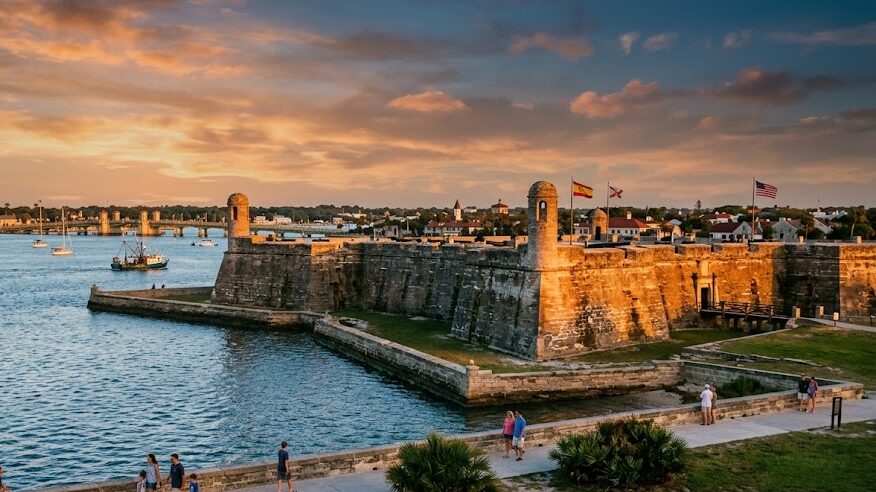
During the spanish colonial era, military defense was paramount. The crown jewel of augustine’s defense was the castillo de san marcos, recognized today as the oldest masonry fort in the nation. It was built using coquina, a nearly indestructible sedimentary rock made of compressed shells.
Further south along the st. augustine coast, the Spanish built fort matanzas to guard the matanzas inlet from enemy ships. They also constructed fort san to maintain control over the waterways. Furthermore, augustine became a beacon of freedom when fort mose was established. Located just north of the city, it was the first legally sanctioned free settlement for african americans in North America.
The Second Spanish Period and the Treaty of Paris
The possession of florida was fiercely contested. Following a major treaty, Spain handed florida to great britain, and St. Augustine briefly served as the capital of british east florida. However, the British rule was short-lived.
The treaty of paris in 1783 ended the American Revolution and returned to st. Augustine to Spanish control, beginning what is known as the second spanish period. Augustine remained under Spanish rule until spain ceded florida through the Adams-Onís Treaty. Spain officially ceded florida to the united states in 1819, transferring the capital of florida and all its territories.
Exploring the beautiful but unshaded cobblestone streets of the old town makes sun protection an absolute necessity for travelers. 👉 Click here to view the best UV-protection travel hats on Amazon
The Flagler Era and the St. Augustine Historic District
In the late 19th century, standard oil magnate henry flagler arrived and transformed old st. Augustine into a winter resort for the wealthy. He built the florida east coast railway to bring tourists down from the north.
Flagler introduced magnificent spanish renaissance revival architecture to the city. He constructed the luxurious ponce de leon hotel, which now houses Flagler College. Nearby, the casa monica and the building that now holds the lightner museum were also erected.
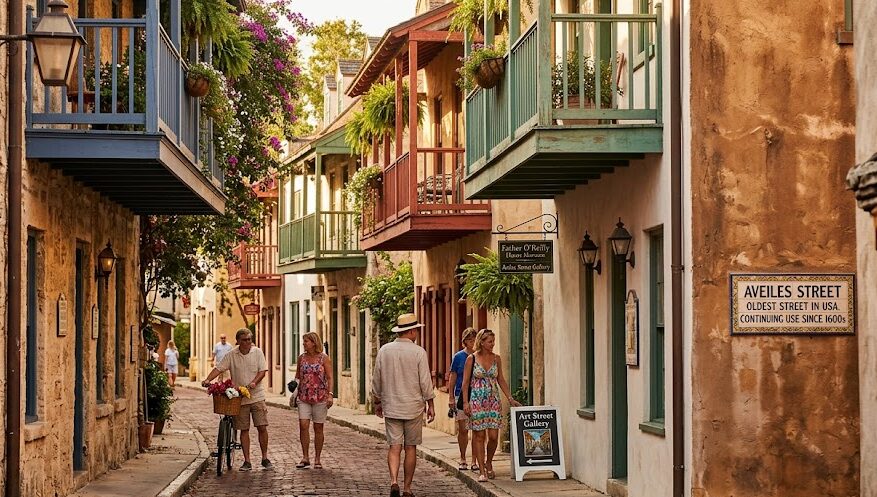
Today, you can explore st. Augustine’s beautiful historic district on foot. Walk down aviles street (the oldest street), stroll past the boutiques on george street, and cross king street to see the stunning architecture. If you want a fantastic view, climb the augustine lighthouse, or dive deeper into the archives at the augustine historical society.
The Civil Rights Movement in St. Augustine
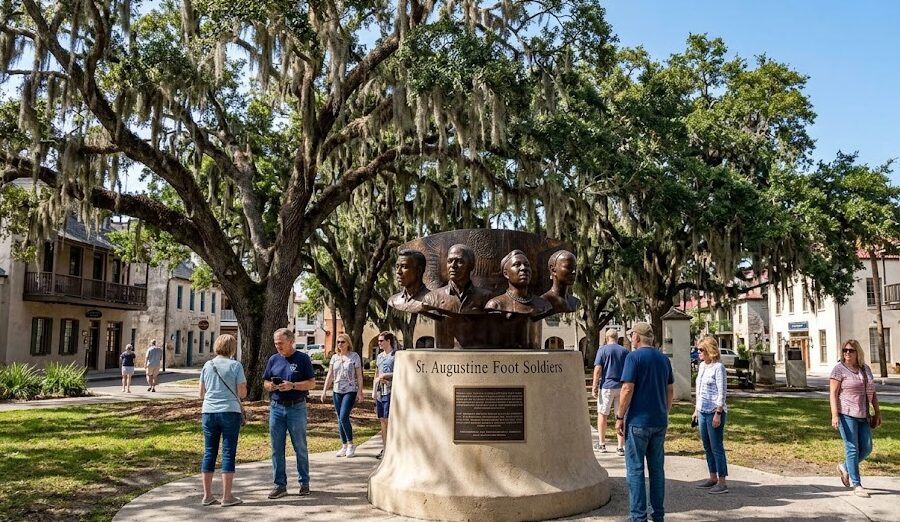
While its colonial past is famous, augustine is one of the most important cities in modern American history. During the city’s 400th anniversary in 1964, the civil rights movement focused its efforts here.
Dr. martin luther king Jr. and local activists led marches and protests against segregation. The intense national attention drawn to augustine’s protests directly influenced the passing of the landmark civil rights act of 1964.
From its days as a fragile european-established outpost to its role in modern civil rights, St. Augustine is far more than just a beach destination. It is a living museum. When you visit st. Augustine, you are walking through the very pages of American history.
The Florida humidity can be exhausting during summer tours. Bringing along a hands-free cooling device ensures you stay comfortable while listening to your tour guides. 👉 Click here to see the top-selling portable neck fans on Amazon
Frequently Asked Questions About Augustine History
Who founded St. Augustine, Florida?
St. augustine was founded by the Spanish Admiral Pedro Menéndez de Avilés in 1565, decades before Jamestown or Plymouth.
Is St. Augustine the oldest city in the USA?
Yes. Augustine is the oldest continuously inhabited European-established settlement within the borders of the continental United States, making it america’s oldest city.
What is the most famous historical site located in St. Augustine?
While there are many sites, the Castillo de San Marcos is the most iconic. It is the oldest masonry fort in the country and a must-see during the founding of st Augustine tours.