Exploring the Sacred Inca Valley: A Guide to the Best Inca Ruins
Disclaimer: This post may contain affiliate links, meaning we earn a small commission if you make a purchase through our links, at no additional cost to you. As an Amazon Associate, I earn from qualifying purchases.
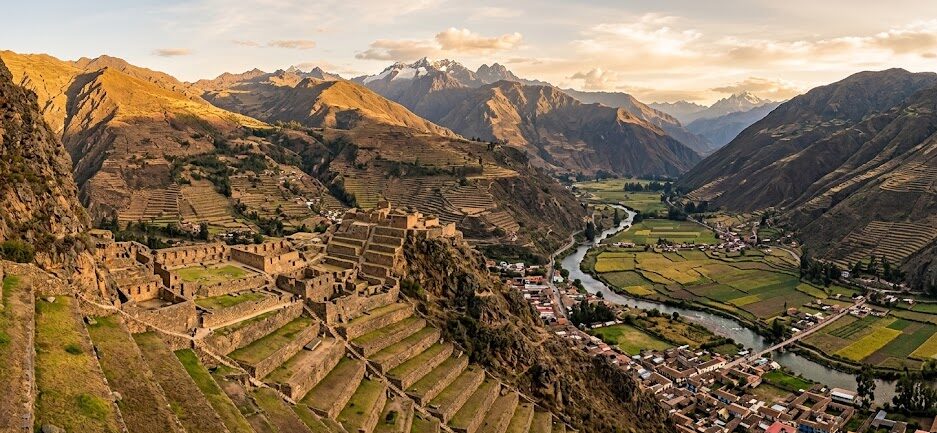
When travelers plan a trip to Peru, the ultimate goal is almost always the legendary Inca Trail to Machu Picchu. However, rushing straight to the famous citadel means missing out on the true historical and agricultural heart of the Andean civilization. The breathtaking inca valley—often referred to as the Sacred Valley of the Incas—is a destination that deserves a dedicated spot on your itinerary.
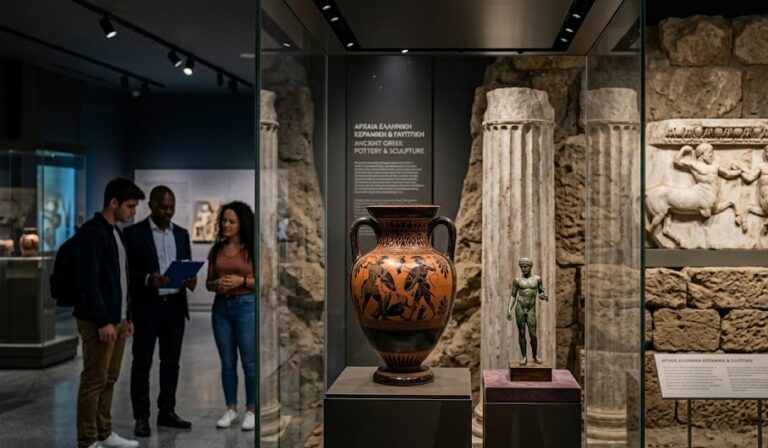
Stretching between the Andean capital of Cusco and the legendary city of Machu Picchu, this lush, winding valley is dotted with picturesque colonial villages, vibrant indigenous markets, and some of the most spectacular inca ruins on the continent. Whether you are a history buff who loved exploring ancient Greek ruins or an adventurous family engaging in immersive worldschooling, the Sacred Valley offers a profound educational and visual experience.
📌 Key Takeaways (TL;DR)
- The Agricultural Heart: The Sacred Valley was the most fertile region of the empire, crucial for feeding the expanding Inca civilization.
- Must-See Ruins: Ollantaytambo, Pisac, and the agricultural terraces of Moray are the undisputed highlights of the valley.
- The Tourist Ticket: Access to almost all archaeological sites requires the mandatory purchase of the Boleto Turístico del Cusco.
- Acclimatization Zone: At a lower altitude than Cusco, the valley is the perfect place to spend your first few days in Peru adjusting to the thin mountain air.
You’ll see…
What is the Sacred Inca Valley?
Nestled high in the Andes mountains, the Sacred Valley (Valle Sagrado) follows the winding path of the Urubamba River. To the ancient Incas, this valley was a vital source of life. The lower elevation (compared to Cusco) provided a warmer climate, while the fertile soil along the riverbanks made it the absolute perfect location for large-scale agriculture, particularly the cultivation of maize (corn).
Beyond its agricultural importance, the inca valley held deep spiritual significance. The Milky Way was mirrored by the Urubamba River, and the surrounding towering peaks (Apus) were worshipped as protective mountain spirits. Today, the valley serves as a crucial acclimatization zone for tourists and a treasure trove of archaeological wonders that showcase the brilliant stonework, engineering, and society of the Inca Empire.

The Most Breathtaking Inca Ruins to Visit
While Machu Picchu steals the global spotlight, the ruins scattered across the Sacred Valley are equally impressive and, in some cases, historically more significant. Here are the must-visit sites you need to include in your itinerary.
Ollantaytambo: The Living Inca City
Ollantaytambo is unique because it is one of the only remaining towns in Peru that retains its original Inca street plan. The colossal inca ruins towering over the town served both as a religious temple and a formidable military fortress. During the Spanish conquest, this was one of the very few sites where the Incas, led by Manco Inca, successfully defeated the Spanish conquistadors in battle.
Walking through the Sun Temple at the top of the terraces, you will marvel at the massive pink granite monoliths. How the Incas managed to transport these multi-ton stones from a quarry across the valley and up the mountain without the wheel or iron tools remains a masterclass in ancient engineering.
Pisac: Terraces and Traditional Markets
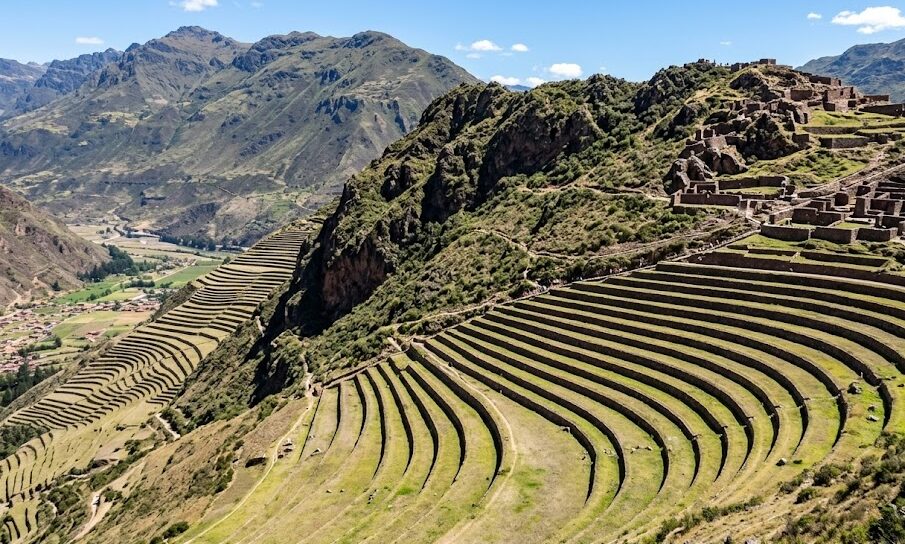
Located at the eastern end of the inca valley, Pisac is famous for two things: its vibrant artisan market and its sweeping archaeological site. The ruins of Pisac are perched high on a ridge overlooking the valley gorge. The site features some of the most beautifully curved and perfectly preserved agricultural terraces in the entire empire.
After spending the morning exploring the intricate stonework and the ancient cliffside cemeteries, you can descend into the modern town to shop for alpaca wool textiles, silver jewelry, and ceramics in the famous Sunday market.
Moray: The Agricultural Laboratory
If you want to understand the scientific brilliance of the Andean people, you must visit Moray. Unlike traditional fortresses or temples, Moray consists of several enormous terraced circular depressions that look like ancient Roman amphitheaters.
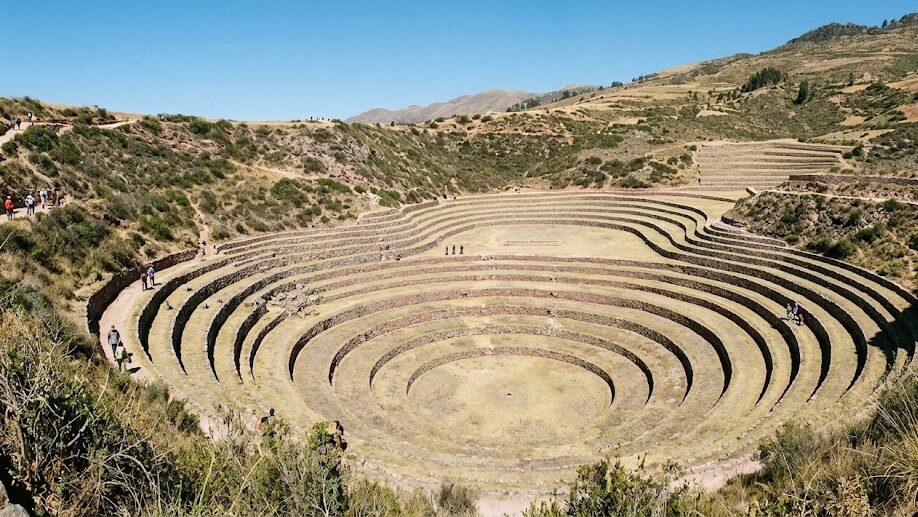
Historians and archaeologists believe Moray was a sophisticated agricultural research station. The design, depth, and orientation of the circular terraces created distinct microclimates. The temperature difference between the top and bottom terraces can be as much as 15°C (27°F). This allowed the Incas to domesticate, acclimatize, and hybridize crops like potatoes and quinoa from different regions of their vast empire.

How to Get Around the Inca Valley
Getting around the valley is relatively easy, but requires a bit of logistical planning. Most travelers base themselves in Cusco and take day trips via standard tourist buses or private taxis (colectivos).
To enter almost all the major archaeological sites, including Pisac, Ollantaytambo, and Chinchero, you are required to purchase the Boleto Turístico del Cusco (Cusco Tourist Ticket). You cannot buy single-entry tickets for most of these ruins, so purchasing the comprehensive ticket is mandatory. If you are used to independent eco-tourism in Costa Rica, you will find the Sacred Valley easy to navigate, though hiring a local guide is highly recommended to fully grasp the history of the stones.
Altitude and Weather: When to Visit
Because the Sacred Valley (around 9,000 feet) is lower than Cusco (11,152 feet), many doctors recommend heading straight to the valley upon arriving in Peru to acclimatize before attempting higher-altitude hikes.
The best time to visit the inca ruins is during the dry season, from May to September. During these months, the skies are brilliantly blue and the risk of rain disrupting your sightseeing is minimal. However, nights in the Andes drop drastically in temperature, so packing layers—from t-shirts for the sunny afternoons to fleece jackets for the evenings—is the golden rule of packing for the valley.
Anker Portable Power Bank (20,000mAh)
Cold high-altitude temperatures will drain your smartphone and camera batteries twice as fast. Don’t miss capturing the perfect shot at Ollantaytambo because your phone died at noon. This high-capacity, fast-charging power bank can recharge an iPhone over 4 times on a single charge. It is an absolute lifesaver for long days exploring the ruins.
Check Current Price on AmazonFrequently Asked Questions About the Inca Valley
What is the meaning of the word Inca?
The word “Inca” originally meant “ruler” or “lord” in Quechua. It was used exclusively to refer to the ruling class or the emperor himself (the Sapa Inca), not the general population of the empire. Today, it is used broadly to describe the entire civilization.
How was Inca society organized?
Inca society was organized in a strict hierarchical pyramid. The Sapa Inca (Emperor) was at the top, considered a descendant of the Sun God. Below him were nobles and priests, followed by regional administrators, and finally the commoners, who were organized into community groups called ayllus based on agricultural labor.
Is the Sacred Valley worth visiting?
Absolutely. The Sacred Valley offers some of the most impressive archaeological sites in Peru. Places like Ollantaytambo and Pisac provide a deeper understanding of Inca engineering and agriculture, making it an essential stop before visiting Machu Picchu.
How do you get around the Sacred Valley?
The most common ways to travel are by private taxi, local buses (colectivos), or guided tour vans. Most travelers base themselves in Cusco or Ollantaytambo and take day trips to the various ruins scattered across the valley.
Do you need a ticket to see the ruins?
Yes, you must purchase the Boleto Turístico del Cusco (Cusco Tourist Ticket). This comprehensive ticket grants you access to 16 major archaeological and cultural sites in the Sacred Valley and Cusco, including Pisac, Ollantaytambo, and Moray.