Mongolia Empire: Rise and Fall of the Largest Contiguous Land Empire
Disclaimer: This post may contain affiliate links, meaning we earn a small commission if you make a purchase through our links, at no additional cost to you. As an Amazon Associate, I earn from qualifying purchases.
The mongol empire stands as a colossal landmark in world history. Spanning vast distances across eurasia, it remains the largest contiguous land empire in human history, covering approximately 9 million square miles at its peak. This large empire shaped the development of modern nations, redirected global trade, and unified cultures that had never before interacted. Understanding the rise and fall of this dynasty is essential to grasping the geopolitical landscape of the modern world.
The Steppe Origins: A Unified Force
The history of the mongol empire is defined by a rapid, unprecedented expansion. It begins with temujin, a visionary leader who survived brutal tribal warfare to unite the disparate mongol tribes. In 1206, he accepted the title genghis khan at a kurultai (council) held in the mongol heartland. As the supreme ruler, he transformed a collection of nomadic clans into the most disciplined military force the world had ever seen.
By the time of his death in 1227, he had built a foundation that would dominate the known world, stretching from the Pacific Ocean to the borders of the Middle East.
The Art of War: Mongols Military Innovation
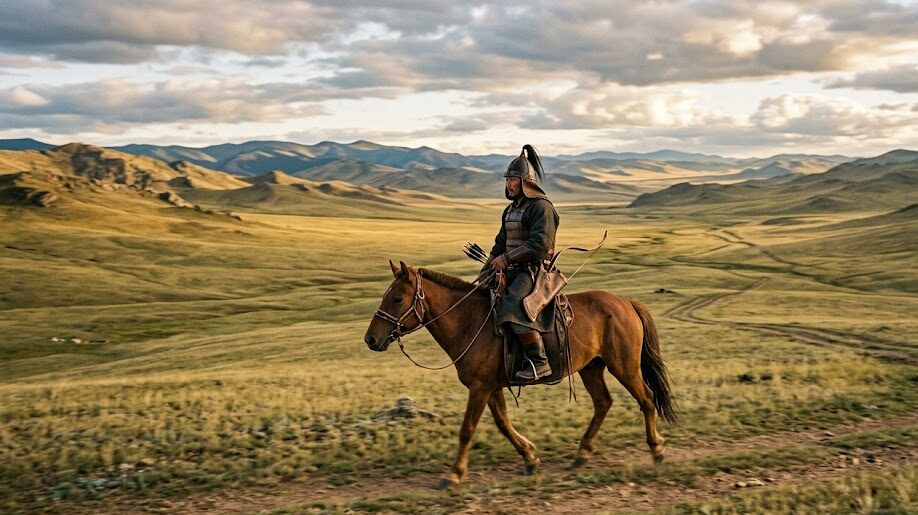
The success of the mongol empire was not accidental; it was the result of revolutionary mongol armies and tactical brilliance. Unlike the sedentary armies of the jin dynasty or the xia, the Mongols were masters of extreme mobility.
- Logistics & Speed: Mongol forces could cover up to 100 miles a day, a feat considered impossible by contemporary empires.
- The Composite Bow: Every soldier was a master archer, utilizing bows that could fire with lethal accuracy from horseback.
- Decimal Organization: Genghis Khan restructured the army into units of 10, 100, 1,000, and 10,000 (tumen), ensuring that no matter the chaos of battle, every soldier knew their objective.
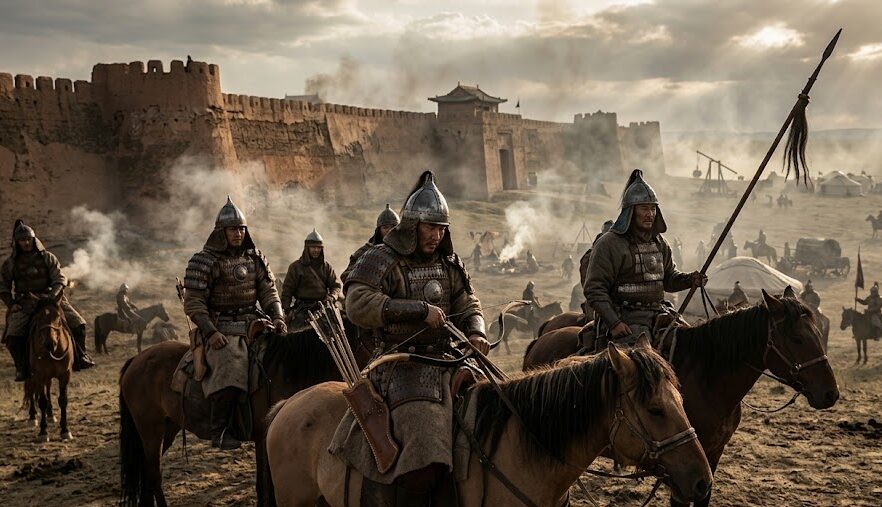
- Engineering Expertise: They were early adopters of technological warfare, incorporating siege engines, gunpowder, and catapults to dismantle fortified cities like those in Northern China.
Daily Life in the Mongol Empire
While the mongols are often remembered for their conquests, their social structure was equally advanced for the time.
- Gender Roles: Women in the Mongol Empire held significant influence. Queens and noblewomen often managed affairs of state while their husbands were on campaign, and many were instrumental in the administration of the mongol court.
- The Yam System: To manage the largest contiguous land empire, the Mongols created the Yam—the world’s first true postal service. Relay stations were placed every 20-30 miles, allowing intelligence and orders to move across the mongol empire with incredible speed.
- Gastronomy and Culture: Their diet consisted largely of dairy and meat, but as they expanded, they adopted culinary techniques from the silk road, integrating flavors from the jin empire and beyond.
The Silk Road: The World’s First Globalized Economy
As the empire grew, the mongols transformed the silk road into a secure artery of global trade. Under mongol rule, merchants could travel from China to the Black Sea with unprecedented safety. This era facilitated the movement of goods, paper money, gunpowder, and even the black death, which eventually traveled along these same routes.
The silk road was not just for goods; it was a highway for ideas. Technology, religious texts, and scientific findings flowed freely between the ilkhanate, the golden horde, and the Eastern domains.
The Four Khanates: Managing the Colossal
After genghis khan, the leadership passed to his successors, starting with ögedei khan. The great khan ensured the empire remained stable during its most aggressive phase. Eventually, the empire fragmented into four distinct mongol khanates:
- The Yuan Dynasty (China): Established by kublai khan, it was the most populous part of the empire and a seat of immense wealth.
- The Golden Horde (Russia/Eastern Europe): Known for their influence over Russian principalities and their reach into hungary in 1241.
- The Ilkhanate (Middle East): Responsible for the historic siege of baghdad in 1258, ending the Abbasid Caliphate.
- The Chagatai Khanate (Central Asia): Retaining the nomadic tradition and serving as the heart of the Mongol military.
Cultural and Religious Diversity
The mongol rulers practiced surprising religious tolerance. Whether a subject was Buddhist, Muslim, Christian, or Taoist, they were often allowed to practice freely. This helped stabilize the empire in history, as the Khans realized that religious repression only led to rebellion. They recruited the best administrators from all conquered lands, regardless of background, creating a meritocracy that was centuries ahead of its time.
Mongolia Empire and Modern Geopolitics
The impact of the Mongols on modern borders cannot be overstated. By destroying smaller, warring states, the Mongols laid the foundation for the eventual consolidation of Russia and China. Their administrative divisions helped form the basis for the modern geography of Central Asia and the Middle East.
👉 Click here to see the best historical books about the Mongol Empire on Amazon
The Fall of the Empire: Causes and Consequences
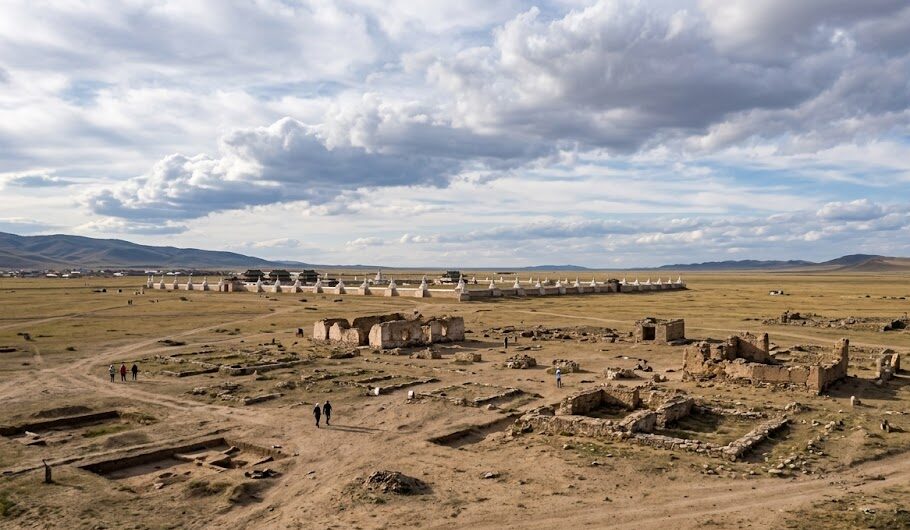
The rise and fall of the mongol empire are interconnected. The very factors that made it great—its vast size and nomadic roots—eventually contributed to its disintegration.
- Succession Disputes: Every time a great khan died, the mongol princes had to return to the heartland for a kurultai, halting the mongol expansion.
- Fragility of Administration: Managing sedentary populations like the song dynasty while maintaining nomadic traditions created permanent internal friction.
- The Plague: The black death ravaged the mongol heartland and trade routes, killing millions and decimating the tax base of the khanate structure.
- Local Resistance: By 1279 and into the 14th century, local populations (such as the rise of the ming dynasty) began to reclaim their territories.
Frequently Asked Questions
How big was the Mongol Empire?
At its peak, it was the largest contiguous landmass ever controlled by a single power, spanning over 9 million square miles.
Who founded the Mongol Empire?
It was founded by Genghis Khan in 1206, uniting disparate nomadic tribes.
Why did the Mongol Empire collapse?
Due to succession crises, the fragmentation into four khanates, the impact of the plague, and local rebellions as conquered nations sought autonomy.
What was the importance of the Silk Road?
The Mongols secured the trade routes, allowing for the first major exchange of culture and technology between the East and West.