Japan Cycling: Complete Guide for Your Next Bike Tour
Disclaimer: This post may contain affiliate links, meaning we earn a small commission if you make a purchase through our links, at no additional cost to you. As an Amazon Associate, I earn from qualifying purchases.
If you have already experienced the thrill of eco-tourism in Costa Rica and are looking for your next major adventure, it is time to look East. A bike tour through the Land of the Rising Sun offers an unmatched blend of ultra-modern infrastructure and ancient traditions. This complete guide to japan cycling will walk you through everything you need to know to plan the perfect trip.
Cycling in japan is incredibly safe, and the country boasts an amazing network of well-paved roads, tranquil river paths, and dedicated lanes. Whether you are looking for a multi-week cycle touring adventure across Honshu, or a short self-guided trip through the peaceful countryside, a bike tour japan experience is truly unforgettable.
📌 Key Takeaways (TL;DR)
- Premier Routes: The Shimanami Kaido is the most famous cycling route in japan, perfect for riders of all levels.
- Tour Styles: You can choose between fully guided cycling tours in japan or plan a highly flexible self-guided adventure.
- Ultimate Recovery: Japan is also famous for its onsen hot spring baths, providing perfect muscle recovery after a long ride.
- Navigation: Using Google Maps and Strava is essential for avoiding busy highways and finding scenic country roads.
Table of Contents
The Best Cycling Route in Japan: Shimanami Kaido
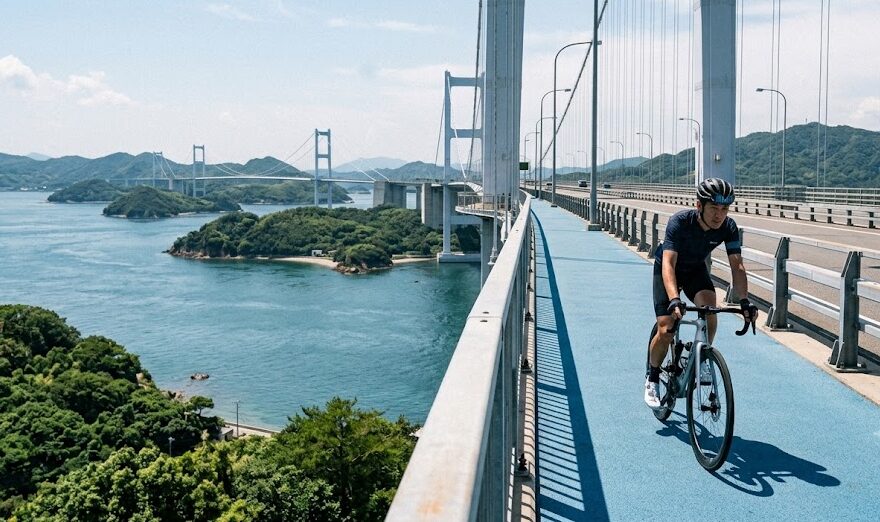
The Shimanami Kaido is a spectacular 70-kilometer cycling path that connects the main island of Honshu to Shikoku, passing over six beautiful bridges and the Seto Inland Sea.
If you only have time in japan for one major ride, the Shimanami Kaido is the ultimate route. It features a dedicated lane for bicycles and offers great views of the ocean and islands. Because the flat terrain makes it accessible for almost any cyclist, it is often considered the crown jewel of any japan cycling tour.
For a more challenging climb, many riders head to the green mountain passes of Nagano or the Kita Kanto region, where you can find stunning switchback roads with little traffic.
Self-Guided vs Guided Cycling Tours in Japan
Choosing a self-guided bike trip gives you ultimate freedom in route planning, while guided cycling tours in japan provide local expertise and eliminate the language barrier.
When planning your cycling holidays, you must decide on the style of your trip. A self guided tour is perfect for the independent rider who wants to utilize Strava for meticulous route design. You can change your plans on a whim and ride across japan at your own pace.
Conversely, an expert local guide can elevate your experience. They know exactly how to avoid busy roads and navigate the speed limits, taking you through hidden temple grounds and historic towns and cities that you might miss on your own.
Touring in Japan: Hokkaido and Kyushu
For true cycle touring, Hokkaido in the north offers vast, open landscapes, while Kyushu in the south provides incredible volcanic scenery and warmer weather.
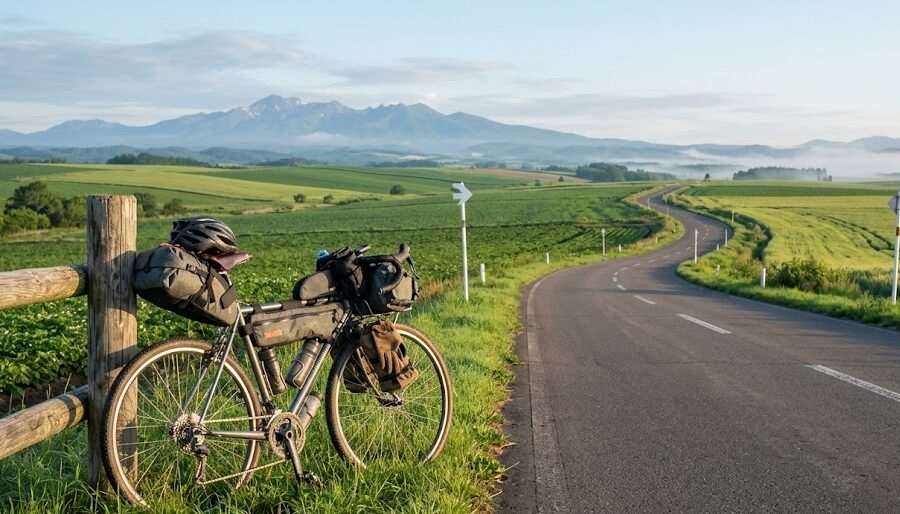
Touring in japan is highly diverse. If you prefer wide-open spaces and cooler summers, the northern island of Hokkaido offers some of the most amazing cycling conditions in the country. It is famous for its vast agricultural fields, starting from Sapporo, and incredibly smooth roads in japan.
Alternatively, riding in Kyushu or even further south to Okinawa exposes you to a tropical climate and rugged coastal cliffs. No matter which island you choose, you will never be far from the famous Japanese vending machines, which are lifesavers for staying hydrated on the road.
Bikepacking and Route Planning
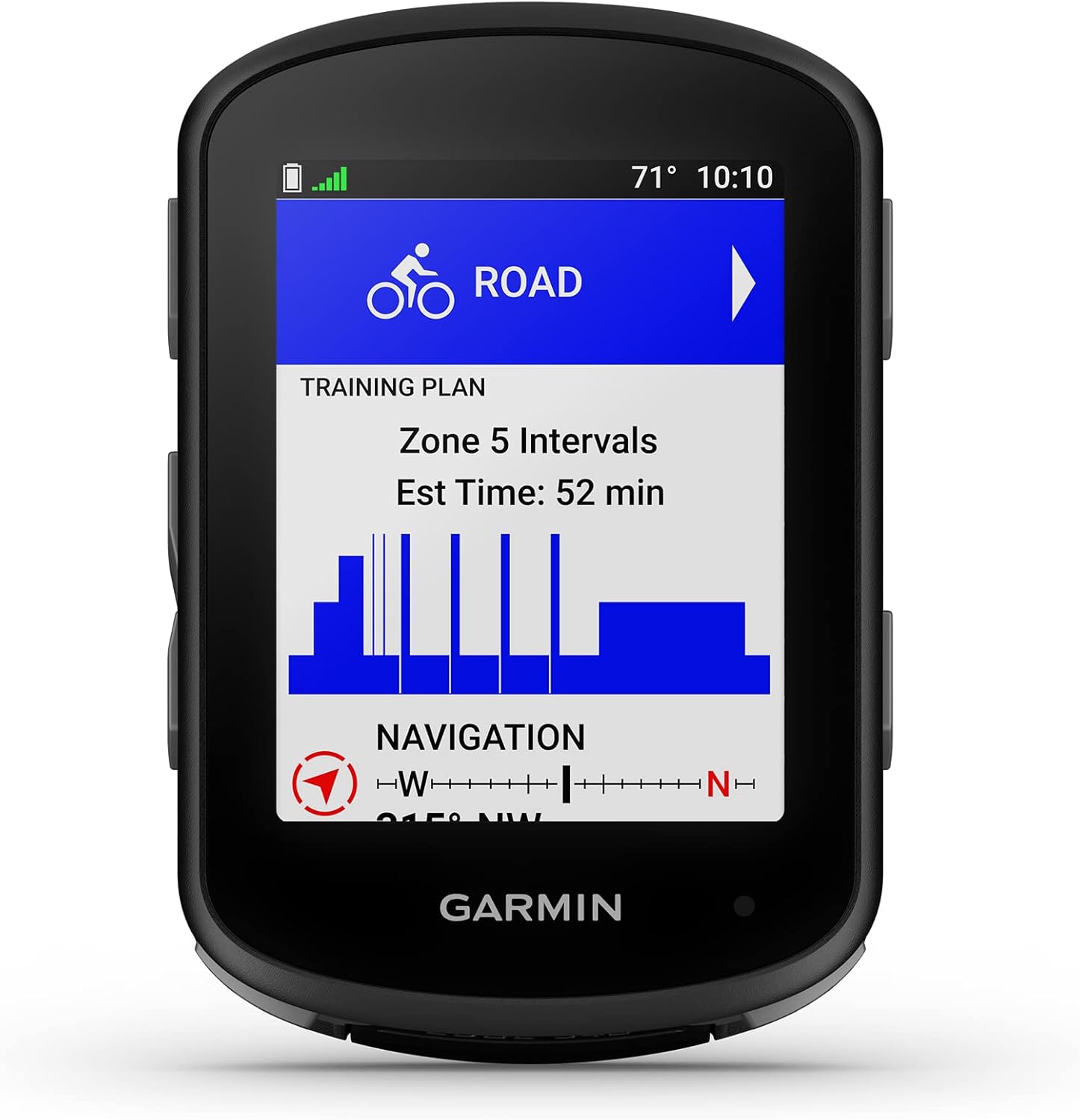
For a successful bikepacking trip, riders heavily rely on Google Maps and Strava heatmaps to find gravel paths and secluded rindo forest roads.
Bikepacking has exploded in popularity, and japan is known for its deep, mountainous terrain perfect for off-road adventures. The rindo forest roads are unpaved logging paths that provide thrilling, traffic-free riding for those with gravel or mountain bikes.
Proper route planning is critical here. While Google Maps is excellent for finding your next hotel or restaurant in Kyoto or Fukuoka, Strava is highly recommended for mapping out actual cycling route elevations and avoiding high-speed vehicle tunnels.
Rest and Recovery: Onsen and Ryokans
A highlight of japan cycling is ending your day in a traditional inn (Ryokan), enjoying an exquisite kaiseki meal, and soaking in an onsen hot spring.
Gore Wear Endure Gore-Tex Cycling Jacket
Stay completely dry and warm on long descents and unpredictable weather days with this ultra-lightweight, packable Gore-Tex essential.
Check Current Price on Amazon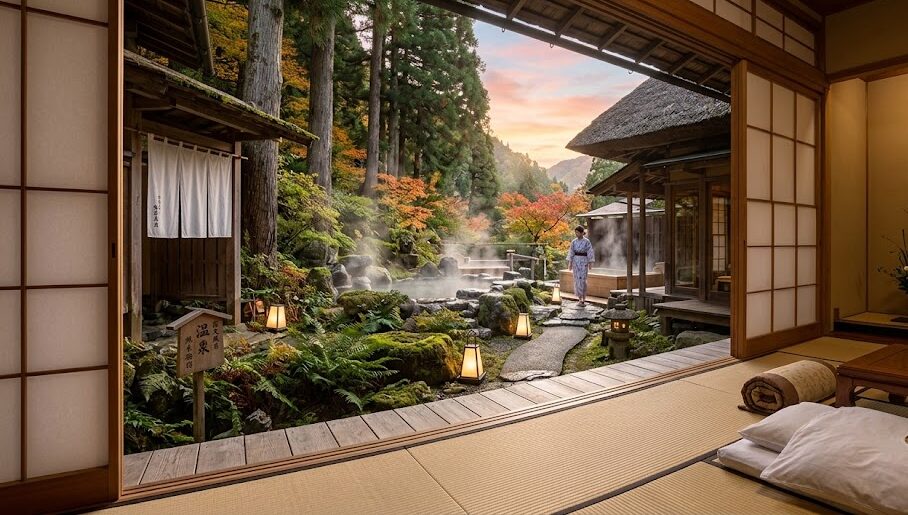
The absolute best part of riding a road bike through Japan is the recovery. After grinding through a difficult 10km climb, resting at a traditional Japanese inn featuring tatami mats is a cultural reset.
Japan also boasts thousands of onsens. Taking a hot bath in a natural hot spring is deeply ingrained in the culture and provides perfect muscle relaxation for tired cyclists. Afterward, you can replenish your calories with world-class tempura, hearty noodle soups, and elegant kaiseki dinners uniquely found in japan.
Frequently Asked Questions About Japan Cycling
When are the best times to cycle in Japan?
Spring (April to May) and Autumn (September to November) are the best times. The weather is mild, humidity is low, and you get to witness either the beautiful cherry blossoms or the stunning autumn foliage.
Is it safe to cycle on the roads in Japan?
Yes, Japan is incredibly safe for cyclists. Drivers are generally very respectful and patient, and there is extensive cycling infrastructure, including dedicated lanes and wide river paths.
Can I take my bike on trains in Japan?
Yes, but it must be completely enclosed in a specific bike bag called a Rinko bag. You must remove the wheels and pack the bike away before entering the station to use the rail network.
What is the Shimanami Kaido?
It is a world-famous 70km cycling route. It connects Japan’s main island of Honshu to Shikoku across the Seto Inland Sea, featuring safe, dedicated cycling paths and stunning bridge crossings.
Do I need a special license to cycle in Japan?
No, but you must adhere to local traffic laws. Cyclists must ride on the left side of the road, obey all traffic lights, and have a working front light and a bell equipped on their bike.
Is it easy to find food and water while cycling in rural Japan?
Yes, it is very easy. Japan is famous for its ubiquitous vending machines located even on remote mountain roads, and convenience stores (konbini) offer excellent, affordable food 24/7.