Patagonia Chile vs Argentina: Which Side Should You Visit?
Disclaimer: This post may contain affiliate links, meaning we earn a small commission if you make a purchase through our links, at no additional cost to you. As an Amazon Associate, I earn from qualifying purchases.
Planning a trip to the southern tip of South America is an epic undertaking. Much like researching the best time to travel to Switzerland for optimal mountain views, timing and location are everything in the Andes. However, the biggest question that paralyzes travelers is the ultimate border debate: patagonia chile vs argentina?
Patagonia is not a single country; it is a massive geographical region covering over 400,000 square miles—an area significantly larger than most vacation spots in Texas and France combined. It is divided down the middle by the Andes mountain range. This natural border creates two vastly different microclimates, landscapes, and travel experiences.
If you only have one or two weeks to spare, trying to cross back and forth between both countries will leave you exhausted. In this guide, we will compare the infrastructure, the highlights, and the overall “vibe” of both sides so you can choose the perfect Patagonian adventure for your travel style.
📌 Key Takeaways (TL;DR)
- Argentina (The Accessible Giant): Best for spectacular day hikes (El Chaltén), massive easily-accessible glaciers (Perito Moreno), and travelers who want comfortable hotels and great food every night.
- Chile (The Wild Frontier): Best for hardcore multi-day trekking (Torres del Paine), remote road trips (Carretera Austral), and lush, deep wilderness.
- The Cost Difference: Argentina is generally much more affordable for foreign tourists due to favorable exchange rates, while Chile is notoriously expensive.
- Can you do both? Yes, but you need an absolute minimum of 10 to 14 days to cross the border without spending your entire vacation sitting on buses.
You’ll see…
The Landscape Divide: Steppe vs. Fjords
The fundamental difference between the two countries comes down to weather patterns.
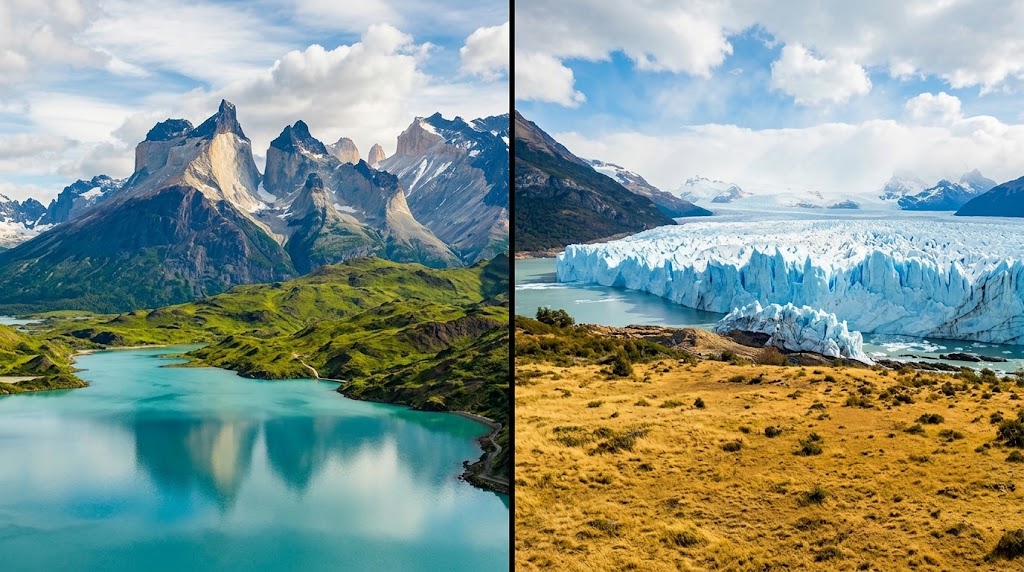
Argentine Patagonia is located on the eastern side of the Andes. The mountains block the moisture coming from the Pacific Ocean, creating a massive “rain shadow.” As a result, the Argentine side is characterized by the Patagonian Steppe—a vast, arid, windy desert that abruptly crashes into towering mountains and massive glaciers. It is generally drier and sunnier.
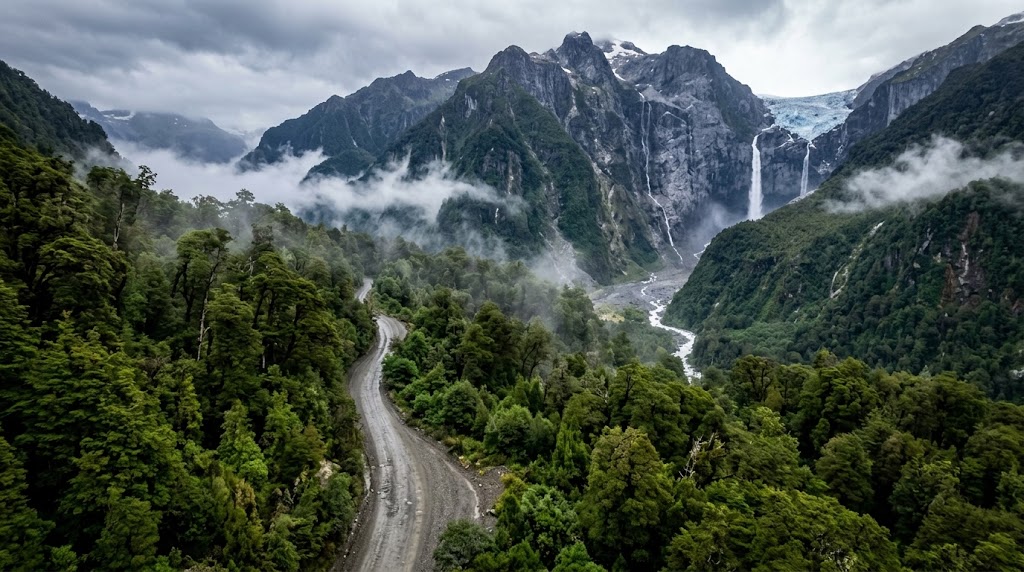
Chilean Patagonia, located on the western side, catches all that Pacific moisture. Because of this, it is dramatically greener, wetter, and features deep fjords, temperate rainforests, and archipelagos. The landscape feels more rugged and untouched, but you must be prepared for frequent, heavy rainfall.
Argentine Patagonia: The Accessible Giant
If you want maximum visual reward for minimal logistical headaches, Argentina is often the preferred choice for first-time visitors.
The Highlights
Argentina holds two of the most famous tourist destinations on the continent. The first is El Calafate, the gateway to the colossal Perito Moreno Glacier. The infrastructure here is world-class, allowing travelers of all ages and fitness levels to view the advancing ice wall from secure metal boardwalks.
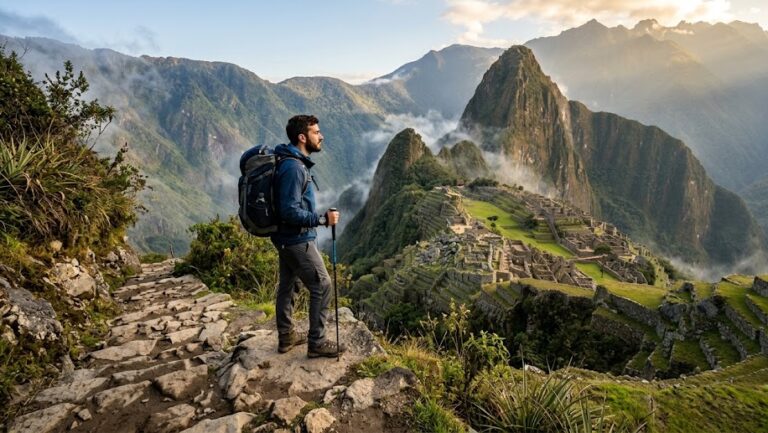
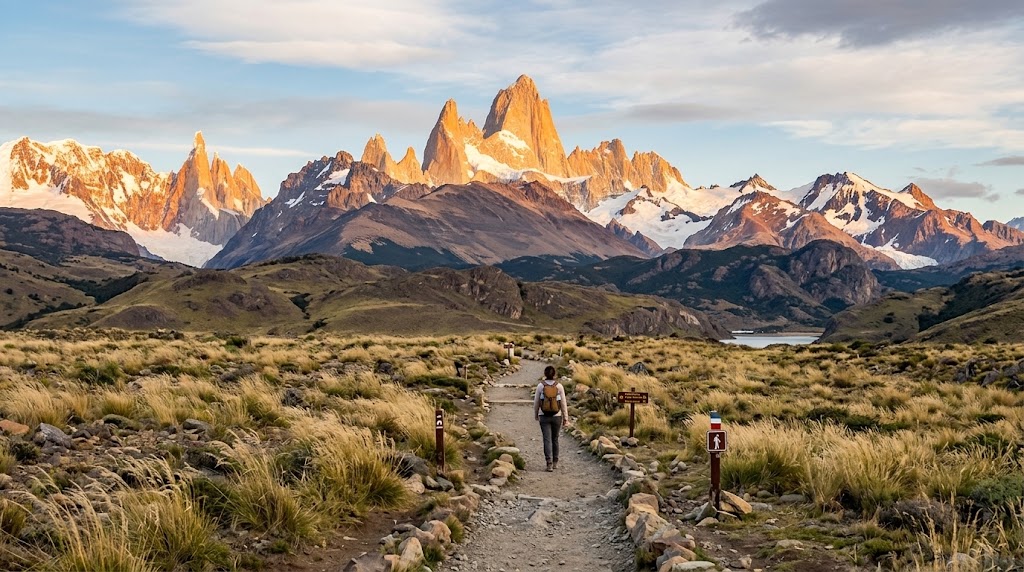
The second is El Chaltén, known as the Trekking Capital of Argentina. This is where Argentina truly shines: you can step out of a comfortable hotel, walk to the trailhead, and complete world-class hikes (like Laguna de los Tres to see Mount Fitz Roy) entirely as day trips. There is no need to carry heavy tents or sleeping bags.
Infrastructure and Costs
Historically, the Argentine peso has been highly volatile, which often makes traveling in Argentina significantly cheaper for foreign tourists utilizing the “blue dollar” (unofficial exchange rate). The roads are mostly paved (like the famous Route 40), the bus systems are highly organized, and the food culture—featuring world-renowned Malbec wine and slow-roasted Patagonian lamb—is unmatched.
Chilean Patagonia: The Wild Frontier
If your idea of a perfect vacation involves deep wilderness, multi-day trekking circuits, and escaping the crowds, you belong in Chile. Families engaged in adventurous worldschooling often prefer the raw educational experience of the Chilean side.
The Highlights
The absolute crown jewel of the patagonia chile vs argentina debate is Torres del Paine National Park. While Argentina is great for day hikes, Chile is the undisputed king of multi-day trekking. The famous “W Trek” (4-5 days) and “O Circuit” (8-10 days) take you deep into the backcountry, sleeping at remote campsites or refugios (mountain lodges) nestled under granite horns and hanging glaciers.
Further north lies the Carretera Austral, a 770-mile mostly unpaved road that offers one of the greatest road trips on Earth, leading you past the Marble Caves and through untouched temperate rainforests.
Infrastructure and Costs
Chile is widely considered the most expensive country in South America, and Patagonia is its most expensive region. The infrastructure is wilder; getting to remote parks often involves ferry rides across fjords or driving on gravel roads. Furthermore, hiking in Torres del Paine requires you to book your campsites months in advance through a highly fragmented and frustrating online system.

Which Side Should You Choose?
The patagonia chile vs argentina decision ultimately comes down to your traveler profile.
Choose Argentina if:
- You prefer sleeping in a comfortable hotel bed every night.
- You want to do spectacular day hikes without carrying heavy camping gear.
- You want to see massive glaciers up close with easy infrastructure.
- You are traveling on a tighter budget and want to enjoy excellent steak and wine.
Choose Chile if:
- You are a hardcore hiker who wants to complete legendary multi-day trekking circuits.
- You prefer a greener, wetter, and more rugged “frontier” landscape.
- You want to rent a 4×4 and embark on an epic, remote road trip (Carretera Austral).
- You have the budget to afford premium lodges or the patience to book campsites months in advance.
Eagle Creek Pack-It Compression Cubes
Because you have to pack bulky items like fleece jackets and rain pants, your luggage will fill up instantly. These ultra-durable compression packing cubes squeeze out excess air, saving up to 30% of space in your bag. More importantly, they allow you to separate your clean clothes from the muddy, sweat-soaked gear you used to hike the glaciers.
Check Current Price on AmazonFrequently Asked Questions
Can I visit both Chile and Argentina in one trip?
Yes, but you need at least 10 to 14 days. The most common cross-border route is taking a bus from El Calafate (Argentina) to Puerto Natales (Chile). The bus ride takes about 5 to 6 hours, including the time required to clear customs and border immigration.
Which side of Patagonia is colder?
Both sides are cold, but Chile is significantly wetter. Because the Andes block the Pacific storms, the Chilean side experiences much higher rainfall and lower wind chills in the fjords. The Argentine side is drier but experiences fiercer, uninterrupted winds across the open steppe.
Do I need a visa to cross the border between Chile and Argentina?
For citizens of the US, Canada, EU, and most of Latin America, no tourist visa is required. You simply receive a stamp at the border. However, be aware that border agents are extremely strict about bringing fresh food, fruits, or animal products across the border.
Which side has better food?
Argentina generally wins the culinary debate. Argentine Patagonia is famous for its cordero al asador (whole roasted lamb), incredible steaks, craft breweries in El Chaltén, and affordable Malbec wine. Chilean food is also excellent, leaning more heavily on fresh seafood like salmon and king crab.