The Complete Guide to Securing Permits for the Inca Trail
Disclaimer: This post may contain affiliate links, meaning we earn a small commission if you make a purchase through our links, at no additional cost to you. As an Amazon Associate, I earn from qualifying purchases.
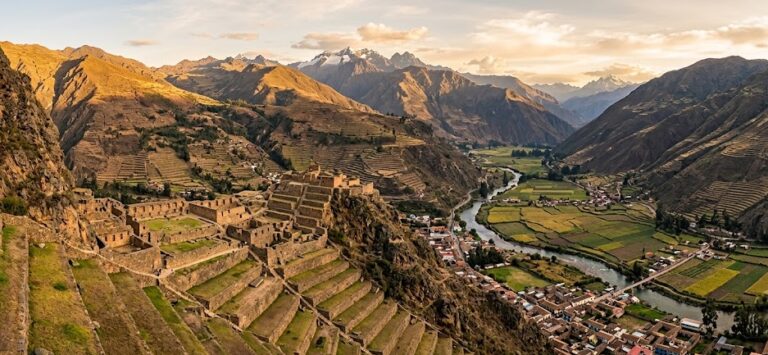
Unlike planning a spontaneous weekend getaway or mapping out a self-guided tour to Yellowstone National Park, hiking to the most famous archaeological site in South America requires military-level logistical planning. If you are dreaming of crossing the Sun Gate at dawn to gaze upon Machu Picchu, there is one non-negotiable hurdle you must overcome: securing your permits for inca trail.
The Peruvian government has implemented strict conservation laws to protect this ancient 15th-century stone pathway from over-tourism and physical degradation. Because of these strict regulations, you cannot simply show up in Cusco, strap on your boots, and start walking. In this comprehensive guide, we will break down exactly how the permit system works, when you need to book, and what alternative options you have if the passes are already sold out for your travel dates.
📌 Key Takeaways (TL;DR)
- Strict Limits: Only 500 permits are issued daily, and roughly 300 of those go to mandatory guides, cooks, and porters, leaving only 200 spots for tourists.
- No Independent Hiking: You cannot buy a permit directly from the government; you must book through an officially licensed tour operator.
- Booking Timeline: For the high season (May to August), you must secure your spot 6 to 8 months in advance.
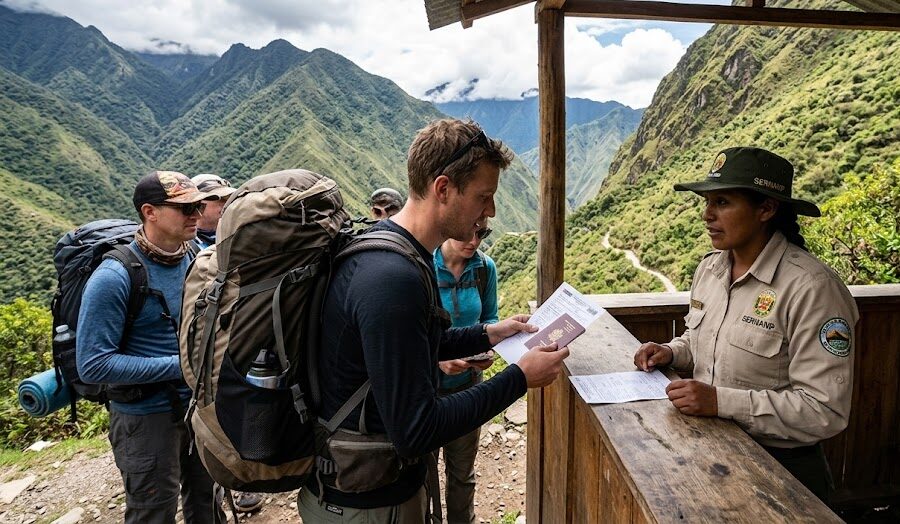
- The Passport Rule: The passport details used to book the permit must perfectly match the physical passport you present at the trail entrance, or you will be denied entry.
You’ll see…
Why Are Permits for the Inca Trail Required?
To understand the strictness of the system, you must look at the history of the trail. In the late 1990s and early 2000s, the trail suffered heavily from unregulated mass tourism. Thousands of hikers and unregulated porters camped indiscriminately, leaving behind trash and damaging the centuries-old stone steps.
To save the Qhapaq Ñan (the ancient Inca road system) from total destruction, the Peruvian Ministry of Culture intervened. They introduced a rigid quota system designed to limit daily foot traffic, ensure fair wages and weight limits for local porters, and preserve the fragile ecosystem of the Andean cloud forests. Today, securing permits for inca trail is the only legal way to access this specific route.

The 500-Person Daily Limit Explained
One of the most surprising facts for first-time planners is the actual breakdown of the daily quota. The government issues exactly 500 permits per day for the classic 4-day trek. However, this number is highly deceptive.
Those 500 spots are not all for tourists. Due to the extreme nature of the hike, tourists require a massive support crew. For every single hiker, there are typically 1.5 support staff members required.
- Tourists: Only about 200 permits per day go to actual hikers.
- Support Staff: The remaining 300 permits are allocated to the mandatory local guides, cooks, and porters who carry the tents, food, and heavy equipment.
Because there are only 200 actual tourist spots available daily for the entire world, passes sell out with terrifying speed during the high season.
When Should You Book Your Permits?
If you are incorporating this hike into a broader educational travel experience—such as an immersive year of worldschooling for your family—your timeline must be highly rigid.
Permits for the entire calendar year are usually released by the Peruvian government in October of the previous year.
- High Season (May to August): This coincides with the dry season in the Andes and major international holidays. If you are wondering how long is summer vacation in Japan or the USA, know that this is when global travel peaks. You must book your permits 6 to 8 months in advance.
- Shoulder Season (April, September, October): You should book at least 3 to 5 months in advance.
- Low Season (November, December, January): You can sometimes secure permits 1 to 2 months in advance, though you risk heavy rain.
Note: The entire Inca Trail is completely closed every February for intense maintenance and ecological recovery.

Can You Book the Permit Yourself?
A very common question among budget backpackers is whether they can bypass the travel agencies and buy the permit directly from the government to save money. The answer is a definitive no.
The Peruvian government does not sell permits for inca trail to individuals under any circumstances. You are legally required to hike with an officially licensed tour operator. These agencies are the only entities authorized to access the government’s extranet portal to purchase the tickets in your name. When booking, you will need to provide a non-refundable deposit and a copy of your passport.
The Golden Rule: The Passport Check
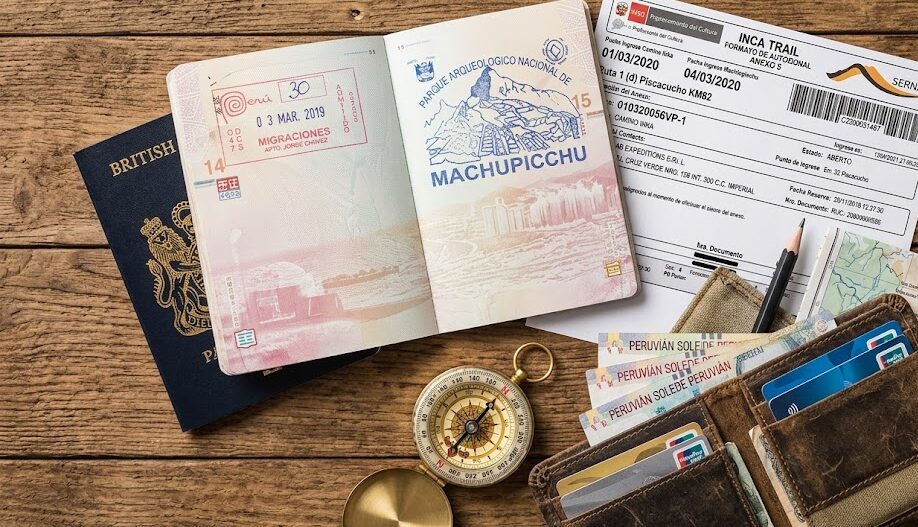
This is the most critical logistical detail that ruins vacations every year: The passport you use to book your permit must be the exact same passport you present at the checkpoint on Day 1.
The permits are strictly non-transferable and non-refundable. If your passport is expiring soon and you book the permit with your old passport number, you must bring the old, expired physical passport with you to Peru alongside your new one. If the numbers at the checkpoint do not perfectly match the numbers on the official permit manifest, the park rangers will deny you entry, with zero exceptions.
What to Do if Permits Are Sold Out
It is a heartbreaking moment to realize that the dates for your dream vacation have already sold out. However, missing out on the classic trail does not mean you will miss out on Machu Picchu. There are spectacular alternative treks that do not have the same strict trail permit limits (though you still need a ticket to enter the ruins themselves).
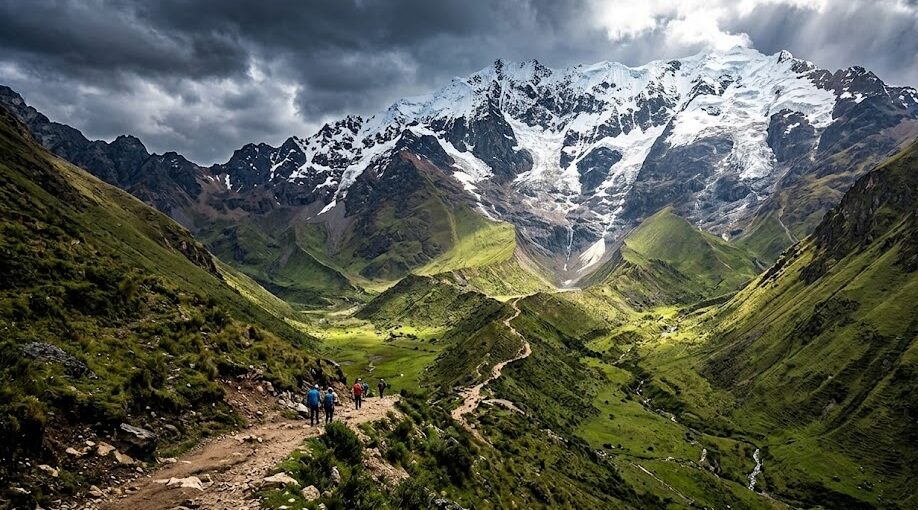
- The Salkantay Trek (5 Days): The most popular alternative. It is higher, colder, and physically more demanding than the classic route. It takes you past towering, glacier-capped peaks and down into the high jungle.
- The Lares Trek (3-4 Days): Often called the “Cultural Trek,” this route takes you through remote Andean farming villages where locals still wear traditional dress and herd llamas, offering a much more authentic cultural experience with far fewer tourists.
Securing your spot requires diligence, but knowing that you hold a highly coveted ticket to walk in the footsteps of the Inca emperors makes the bureaucratic hurdles entirely worth it.
Osprey Hydraulics 2.5L Water Reservoir
Altitude sickness is brutal, and the only way to fight it on the trail is aggressive hydration. Stopping to pull a water bottle out of your backpack every 10 minutes will ruin your pacing. This premium leak-proof hydration bladder lets you drink continuously while walking the steep stone steps. An absolute game-changer for trekking in Peru.
Check Current Price on AmazonFrequently Asked Questions About Inca Trail Permits
How much does an Inca Trail permit cost?
The permit itself costs around $90 USD for adults. However, because you cannot buy it directly, the cost is always bundled into the total price of your guided tour package, which typically ranges from $600 to $1,200 USD depending on the level of luxury.
Can I buy a cancellation permit if someone drops out?
No, the Peruvian government does not allow waitlists or the transferring of cancelled permits. If a hiker cancels their trip, their permit simply expires and that spot goes unused. This strict rule prevents scalping and black-market selling by agencies.
Do I need a permit for the 2-day Short Inca Trail?
Yes, permits are also required for the 2-day short version of the trail. The government allocates 250 daily permits specifically for this shorter route (Kilometer 104). While they do not sell out quite as fast as the 4-day classic permits, they still require advance booking.
Is the permit to climb Huayna Picchu included?
No, climbing the Huayna Picchu mountain requires a separate supplemental ticket. This add-on ticket must be purchased at the exact same time your agency books your main trail permit, as spots for the mountain climb also sell out months in advance.
Can children hike the trail?
Yes, but there are restrictions. Children under the age of 8 are generally not permitted by most agencies due to the extreme altitude and physical demands. Children between 8 and 17 can hike but require their own standard permit (often at a slightly discounted student rate).