Why Did Japan Bomb Pearl Harbor? The Historical Context Explained
Disclaimer: This post may contain affiliate links, meaning we earn a small commission if you make a purchase through our links, at no additional cost to you. As an Amazon Associate, I earn from qualifying purchases.
When visiting modern-day Japan—whether you are exploring ancient temples in Kyoto, riding the bullet train, or embarking on an epic japan cycling adventure through the serene countryside—it is hard to imagine the fierce global conflict that defined the nation in the 1940s. While exploring when japan was founded reveals a deep history of emperors and ancient mythology spanning over two millennia, understanding the complex history of the Pacific War adds a completely different, yet equally profound, depth to your historical travel experience.
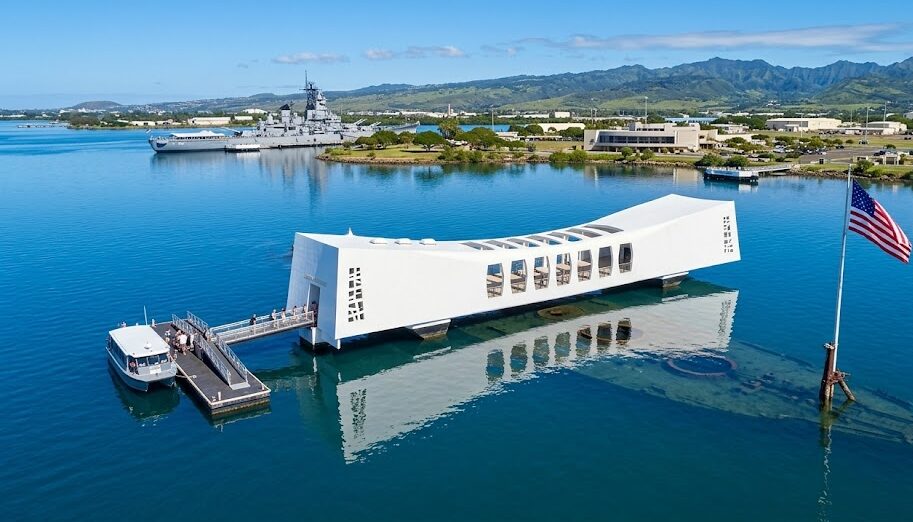
Yet, understanding the complex history of the Pacific War adds profound depth to any historical travel experience. The events of December 7, 1941, changed the course of human history forever. But what led to that fateful morning? If you are wondering exactly why did japan bomb pearl harbor, the answer lies in a complex mix of economic sanctions, territorial expansion, and a desperate gamble for resources.

📌 Key Takeaways (TL;DR)
- Resource Scarcity: Japan needed to conquer Southeast Asia to secure vital resources like oil, rubber, and iron for its empire.
- The Oil Embargo: The US froze Japanese assets and cut off 80% of Japan’s oil supply to protest their invasion of China.
- Preemptive Strike: The attack was a tactical gamble to destroy the US Pacific Fleet and prevent American interference in the Pacific.
- Strategic Failure: The attack missed the crucial US aircraft carriers and instantly pulled a united America into World War II.
You’ll see…
The Need for Resources and Expansion in Asia
Imperial Japan lacked natural resources and sought to conquer territories in Southeast Asia to sustain its growing empire and military machine.
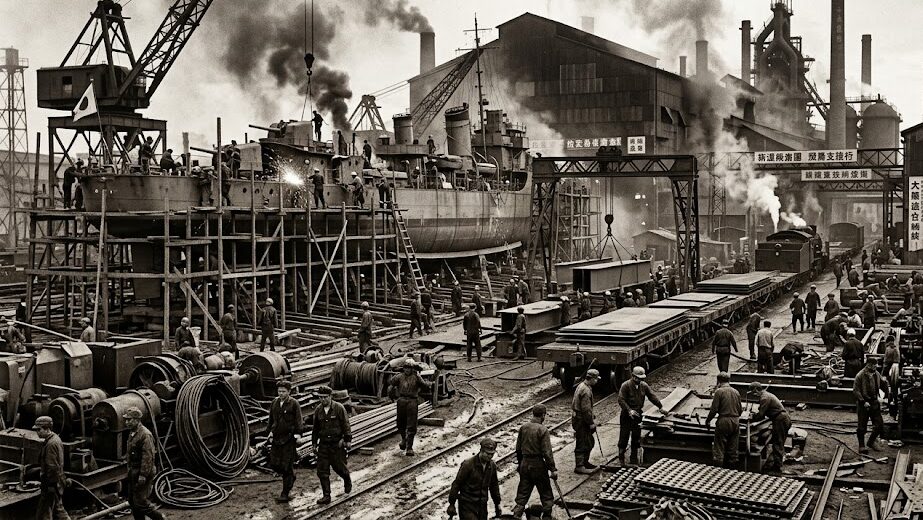
By the late 1930s, Imperial Japan was an industrial powerhouse with a rapidly growing population, but the island nation was critically short on natural resources. To fuel its factories and its ongoing war in China (which began in 1937), Japan needed massive amounts of oil, rubber, and iron.
To secure these vital resources, the Japanese military planned an aggressive expansion into Southeast Asia, specifically targeting the resource-rich territories of the Dutch East Indies (modern-day Indonesia) and British Malaya. However, there was one major obstacle standing in the way of their Pacific dominance: the United States Pacific Fleet.

The Turning Point: The United States Oil Embargo
In response to Japanese aggression in Asia, the United States imposed a devastating oil embargo that threatened to collapse the Japanese economy.
The direct catalyst for the attack was economic. The United States strongly opposed Japan’s invasion of China and its occupation of French Indochina. In an attempt to force Japan to withdraw peacefully, the U.S. government, alongside Britain and the Netherlands, implemented severe economic sanctions in the summer of 1941.
The most crippling of these sanctions was a total embargo on oil exports. At the time, Japan imported over 80% of its oil from the United States. Without it, the Imperial Japanese Navy would be completely paralyzed within a year. Faced with the choice of withdrawing from China and surrendering its imperial ambitions, or fighting the United States to seize oil in Southeast Asia, Japan chose war.
The Strategic Goal: The Element of Surprise
The attack on Pearl Harbor was designed as a preemptive strike to cripple the US Pacific Fleet, buying Japan time to conquer Southeast Asia.
The Japanese high command, led by Admiral Isoroku Yamamoto, knew that a prolonged, drawn-out war against the industrial might of the United States was unwinnable. Therefore, the strategy was entirely based on a massive, crippling first strike.
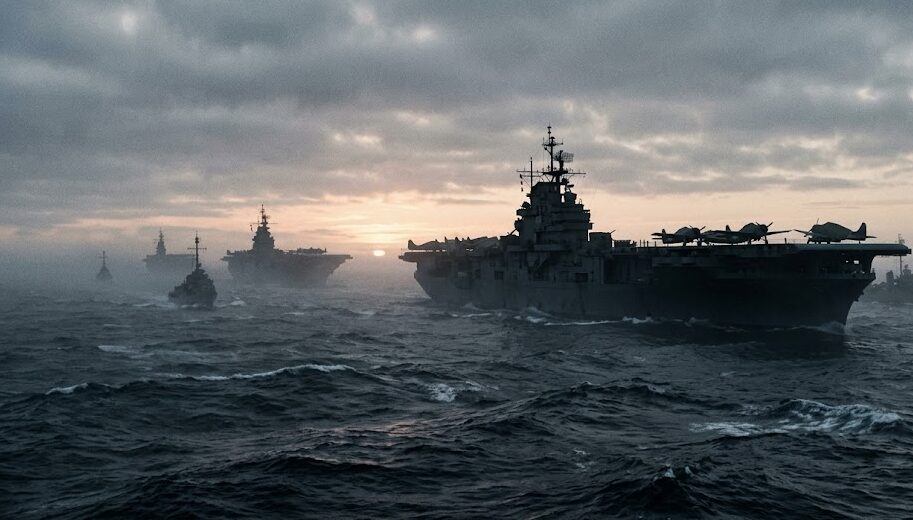
The goal of bombing Pearl Harbor in Hawaii was not to conquer the United States, but to completely destroy the U.S. Pacific Fleet. By sinking American battleships and aircraft carriers, Japan hoped to buy itself at least a year of uninterrupted time to conquer the Dutch East Indies and build a heavily fortified defensive perimeter in the Pacific. They gambled that a severely demoralized America would negotiate a peace treaty rather than fight a long, costly war across the ocean.
The Aftermath and the Entry into World War II
The surprise attack failed to destroy American aircraft carriers and instantly united a divided American public, launching the U.S. into World War II.
While the attack was a tactical success that inflicted devastating damage on the American battleships, it was a massive strategic failure. Crucially, the U.S. aircraft carriers—which would become the most important weapons of the naval war—were not at Pearl Harbor on the morning of the attack.
Furthermore, instead of demoralizing the American public, the “unprovoked and dastardly attack” instantly united the previously isolationist nation. The very next day, President Franklin D. Roosevelt delivered his famous “Date Which Will Live in Infamy” speech, Congress declared war on Japan, and the United States officially entered World War II.
Sony WH-1000XM5 Noise Canceling Headphones
Survive the 10+ hour flight across the Pacific in absolute silence. These industry-leading headphones are the ultimate travel hack for sleeping on planes and immersing yourself in historical audio guides without outside distractions.
Check Current Price on AmazonFAQ – Why Did Japan Bomb Pearl Harbor
Why did Japan attack the US instead of negotiating?
Japan felt backed into a corner by severe economic sanctions. The US demanded that Japan withdraw from China to lift the oil embargo. Viewing this as unacceptable and fatal to their empire, Japanese leaders chose a preemptive military strike over diplomatic surrender.
What was Japan’s main goal at Pearl Harbor?
The main goal was to permanently cripple the US Pacific Fleet. By destroying American battleships, Japan believed they could quickly conquer the resource-rich Dutch East Indies without US naval interference.
Did Japan warn the United States before attacking?
Japan intended to deliver a formal declaration of war just before the attack began. However, due to delays in translating and typing the lengthy diplomatic message in Washington D.C., the attack commenced before the US government was officially notified.
Were the American aircraft carriers destroyed at Pearl Harbor?
No, all of the US Pacific Fleet’s aircraft carriers were safely out at sea. Their survival was a massive stroke of luck for the US and proved decisive in turning the tide of the war during later battles, such as Midway.
Did the Pearl Harbor attack start World War II?
The attack forced the United States into the ongoing conflict. World War II had already begun in Europe in 1939 with Germany’s invasion of Poland, and Japan had been fighting in China since 1937. The attack merged these regional wars into a true global conflict.