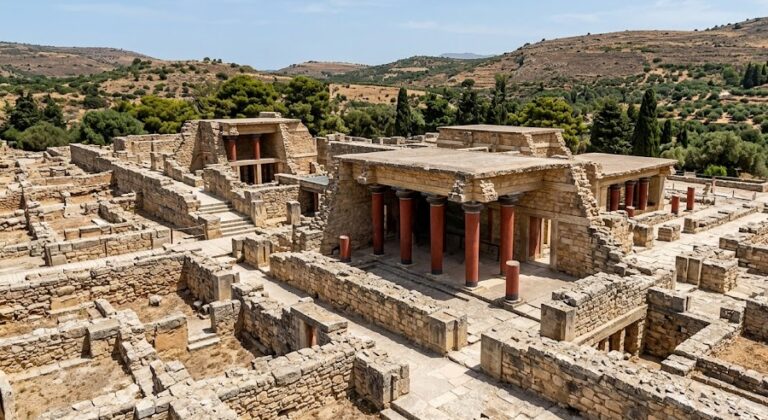
Ancient Greek Art & Antiquity: Exploring the Best Greek Pottery and Artifacts in Ancient Greece
Disclaimer: This post may contain affiliate links, meaning we earn a small commission if you make a purchase through our links, at no additional cost to you. As an Amazon Associate, I earn from qualifying purchases.
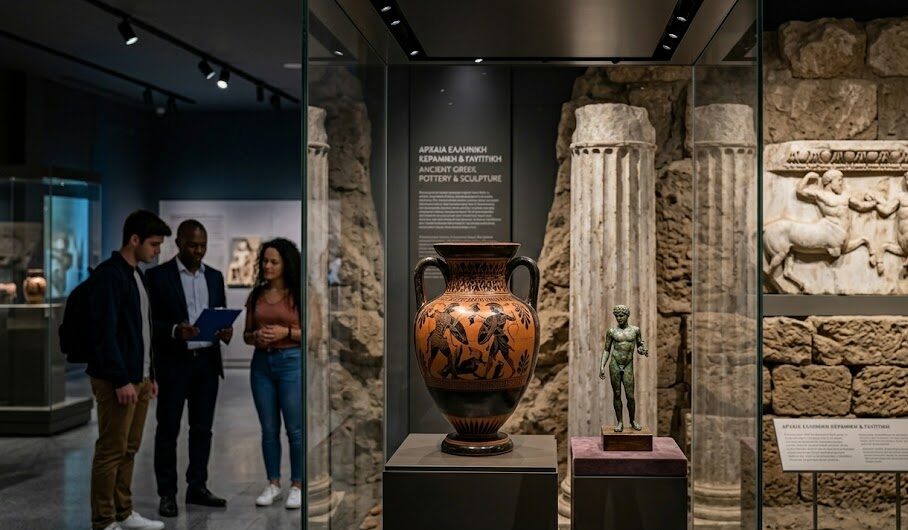
When exploring ancient greece, nothing captures the imagination quite like an authentic artifact from antiquity. The ancient greek civilization left behind a massive legacy of greek art. From spectacular ancient greek art installations to delicate greek pottery, these items tell the story of the past. A visit to a top museum, like the museum of fine arts, allows you to see these pieces up close.
The Legacy of Ancient Greek Artifacts: Bronze Gods and Terracotta Goddesses
For thousands of years, the ancient greeks used a variety of materials. You will often find a bronze god or a terracotta goddess in a museum’s collection.
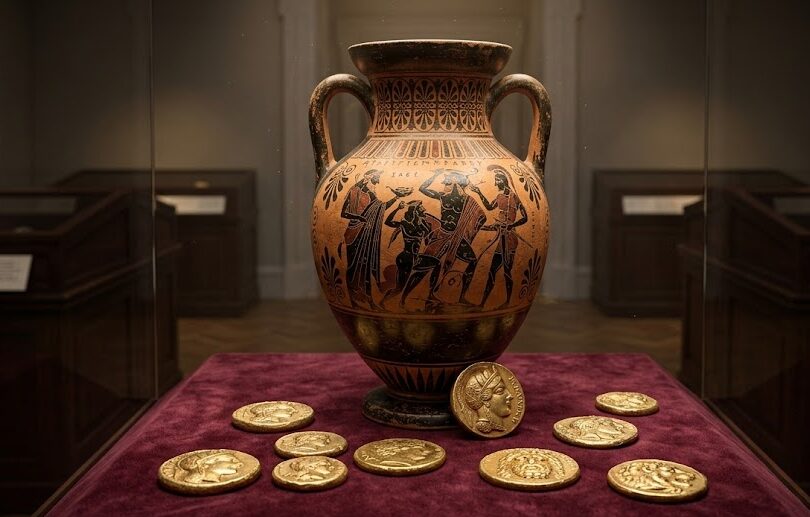
The art of the ancient world was incredibly diverse. A sculptor would carve stunning marble pieces to depict mythological figures or a majestic sphinx and lion. Meanwhile, a skilled painter would use the black-figure technique to embellish a vase. These works of art and ancient greek pottery often feature a distinctive spiral decoration and were decorated with scenes from mythology.
Unearthing Archaeological Sites in Athens: Athena and the Geometric Era
Many archaeological sites in athens reveal items from the geometric period, often dating back to 600 bce or the 5th century BCE. Athens was the cultural heart of the mediterranean.
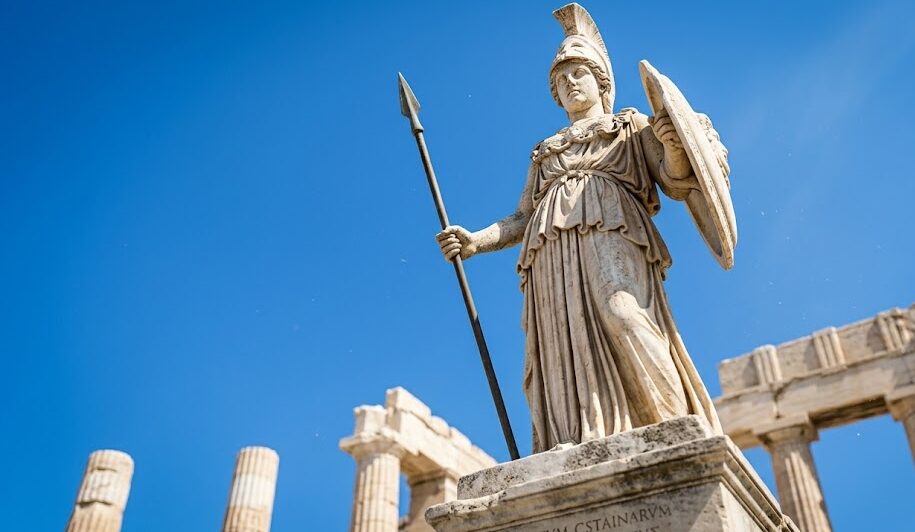
The athenians built incredible temples. A magnificent statue of athena would stand proudly to protect the city. Whether it is an iconic sculpture or ancient coinage (like a silver coin), these items help us understand the athenian civilization. Any scholar will tell you that to preserve this history is vital for modern understanding.
The Secret Underground: Athens Metro Curator and Statuette Exhibits
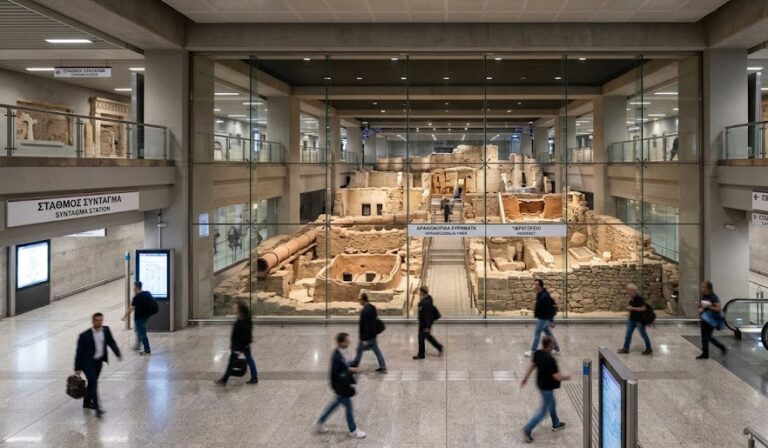
You do not just have to visit an art museum to see classical art. The athens metro system is practically a museum itself! When expanding the subway, workers found an abundance of mythical treasures.
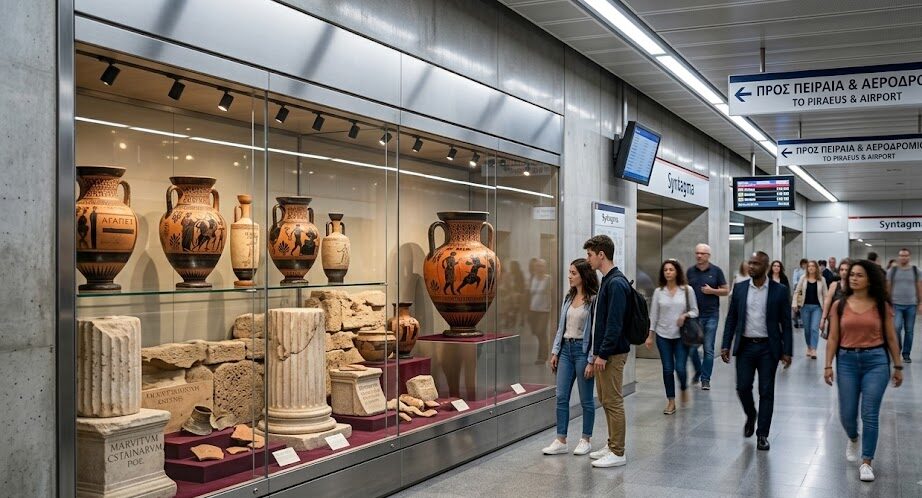
Now, an underground curator helps manage these displays right in the stations. You can see a beautiful statuette or figurine on your daily commute. Many statuettes related to fertility and ritual practices are on display in museums and these metro stations.
Monastiraki Station to Western Asia Minor: Red-Figure Vases and Alexander the Great
At Monastiraki station, you can see the ruins of the ancient Eridanos river.
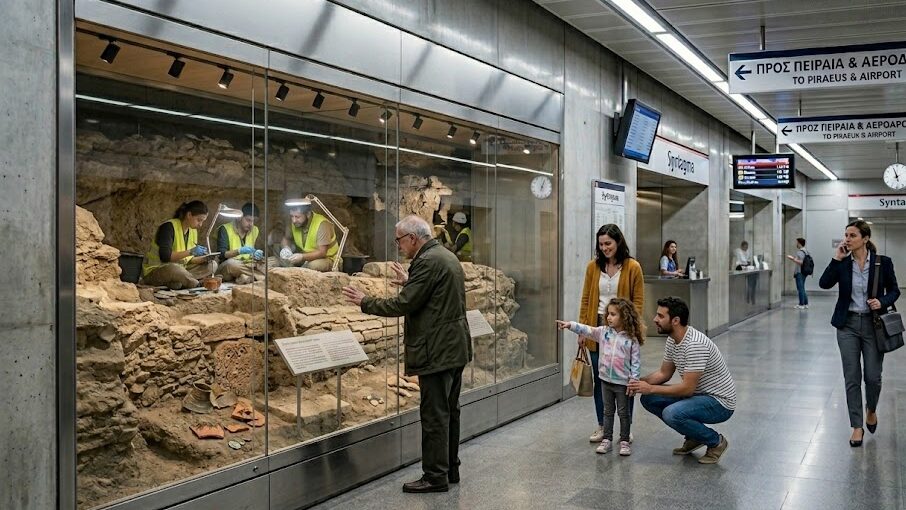
These excavations unearthed many forms of pottery. Greek pottery vessels, such as an amphora with two handles, were used to transport and used to hold precious liquids like olive oil. The red-figure technique was popular here. A vessel or container (or even a terra-cotta vase’s handle) would feature scenes from mythology or gods and goddesses.
Greek vases were traded extensively, from athens to western asia minor (modern-day turkey). Vases were also used in a funerary tomb. From the early days of clay crafting to the grand bust statues from the era of alexander the great, the stylistic evolution is clear. Every original piece with a rare inscription brings the ancient greek world back to life.