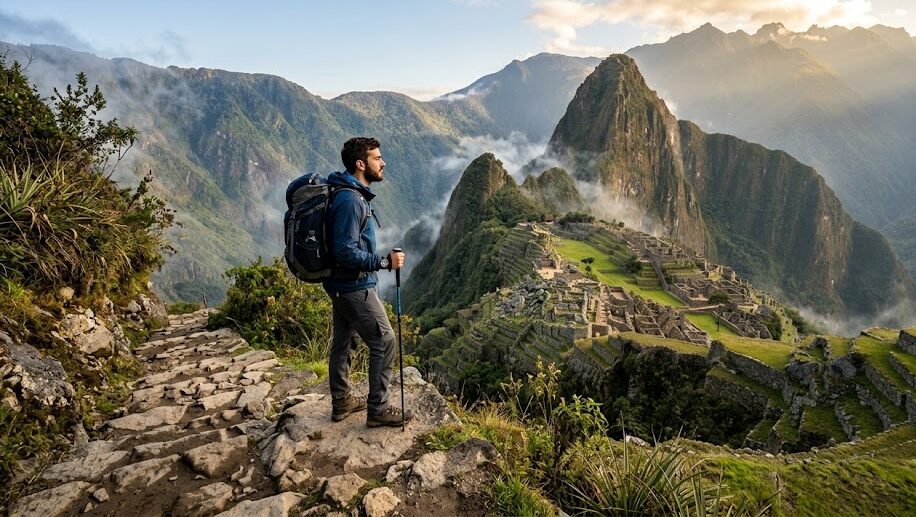
The Ultimate Guide to the Inca Trail to Machu Picchu & Citadel Tours
Disclaimer: This post may contain affiliate links, meaning we earn a small commission if you make a purchase through our links, at no additional cost to you. As an Amazon Associate, I earn from qualifying purchases.
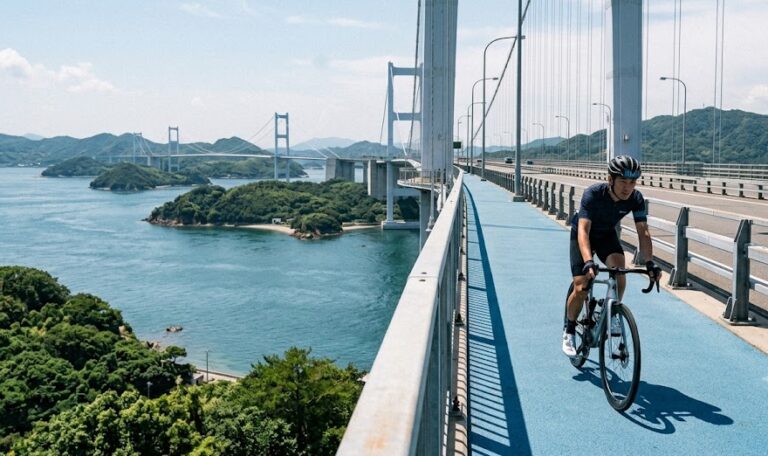
If you have already conquered a multi-week Japan cycling adventure and are looking for your next major physical, cultural, and spiritual challenge, the Andes mountains are calling your name. Hiking the legendary inca trail machu picchu is widely considered one of the greatest and most rewarding travel experiences on the planet.
Winding through dense cloud forests, alpine tundras, and centuries-old stone settlements, this trek is a literal journey back in time to the height of the Andean civilization. However, completing the hike and securing the best inca citadel tours requires meticulous planning, serious physical preparation, and the right gear.
In this comprehensive guide, we will break down exactly what you need to know before stepping foot on this ancient path, from understanding the grueling day-by-day itinerary to choosing the perfect agency.
📌 Key Takeaways (TL;DR)
- The Classic Route: The traditional trek covers 26 miles (42 km) and typically takes 4 days and 3 nights to complete.
- Altitude Awareness: Trekkers must spend at least two days in Cusco prior to the hike to acclimatize to elevations reaching 13,828 feet (4,215 meters).
- Mandatory Guides: You cannot hike the trail independently; you must book an official agency for your inca citadel tours.
- Essential Gear: High-quality, broken-in trekking boots and layered clothing are critical for surviving the unpredictable Andean weather.
You’ll see…
What is the Inca Trail? The History Behind the Path
To truly appreciate the magnitude of this journey, we must answer a fundamental question: what is inca trail? Originally known in the indigenous Quechua language as Qhapaq Ñan, it was an immense and highly sophisticated network of roads spanning over 18,000 miles across South America. This massive infrastructure was built by the Inca Empire to facilitate rapid communication, trade, military movement, and religious pilgrimages across extreme terrains.
Today, when modern travelers refer to the “Classic Trail,” they are talking about a highly specific 26-mile (42 km) segment that begins in the Sacred Valley (at a point known as Kilometer 82) and ends at the iconic Sun Gate (Inti Punku), which overlooks the breathtaking Machu Picchu.
This specific route was not an everyday trade route; it was a sacred path reserved exclusively for Inca royalty, priests, and religious elites. Every step you take on the perfectly fitted stone stairs is a step on a pilgrimage route designed to prepare the mind and body before entering the sacred citadel.
How Long is the Inca Trail? A Day-by-Day Breakdown
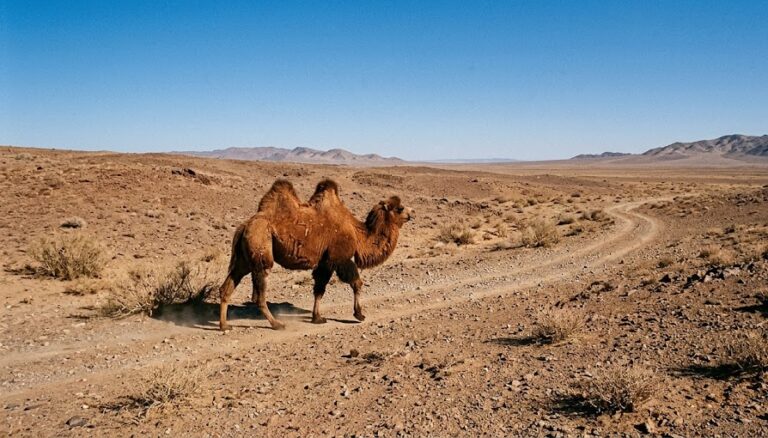
When planning your itinerary, determining exactly how long inca trail takes is crucial for your physical and mental preparation. “While a total distance of 26 miles might not sound overwhelming to an experienced marathon runner or someone used to trekking the vast Gobi desert in Mongolia, the extreme terrain, unpredictable weather, and high altitude change everything..
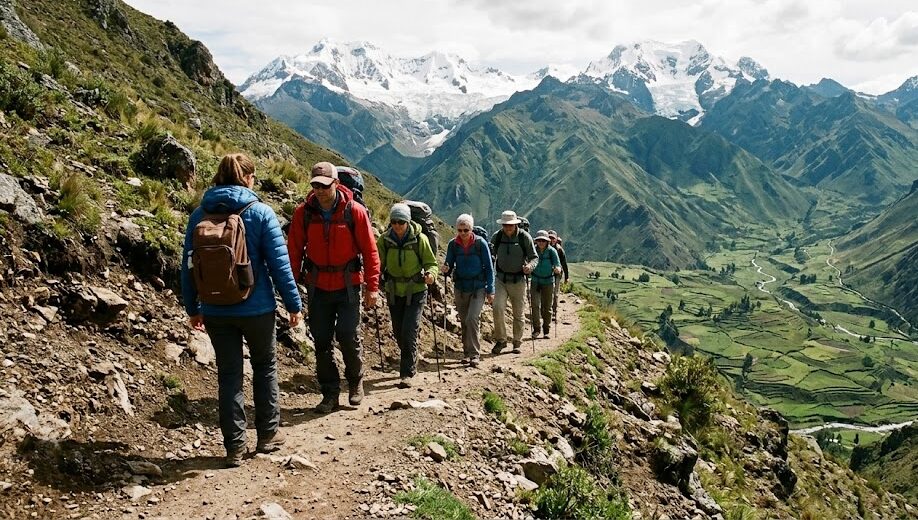
The standard classic hike is completed over 4 days and 3 nights. Here is what you can expect on this grueling but life-changing adventure:
Day 1: The Gentle Introduction
The journey begins at Kilometer 82. The first day is generally considered the easiest, serving as a “warm-up” for the days ahead. You will hike for about 6 to 7 hours, covering relatively flat terrain alongside the Vilcanota River. Along the way, you will pass the impressive Llactapata ruins, giving you a taste of the incredible archaeological sites to come.
Day 2: Dead Woman’s Pass (The Ultimate Test)
Prepare yourself mentally and physically, because Day 2 is notoriously the most difficult part of the entire trek. You will face a relentless, steep ascent for several hours, climbing thousands of original, uneven stone stairs until you reach Warmiwañusca, also known as Dead Woman’s Pass. At an elevation of 13,828 feet (4,215 meters), the air is incredibly thin. Once you conquer the pass, you will face a steep descent into the Pacaymayo valley to set up camp for the night.

Day 3: Cloud Forests and Ancient Ruins
For many trekkers, Day 3 is the most visually stunning and rewarding day of the hike. The landscape shifts dramatically from harsh alpine tundra to lush, green subtropical cloud forests filled with orchids and hummingbirds. You will cross two smaller mountain passes and explore several fascinating archaeological sites, including Runkurakay, Sayacmarca, and the stunning terraced ruins of Phuyupatamarca (“The Town in the Clouds”).
Day 4: The Sun Gate and Machu Picchu
You will wake up hours before dawn on the final day, hiking through the dark with headlamps to reach Inti Punku (The Sun Gate) just as the sun rises. This is the moment you have been working so hard for: your first, unforgettable panoramic view of the Machu Picchu citadel bathed in morning light. From here, it is a steady descent down into the ruins for your guided tour.
Altitude Sickness: How to Acclimatize Properly
One of the biggest mistakes travelers make is flying into Cusco and attempting to start the trek the very next day. Altitude sickness (soroche) is a serious condition that can completely ruin your trip, causing severe headaches, nausea, and shortness of breath.
Cusco sits at a staggering 11,152 feet (3,400 meters) above sea level. You must plan to spend at least two to three full days in Cusco or the slightly lower Sacred Valley before starting your hike. Use this time to explore local markets, visit nearby ruins like Sacsayhuaman, drink plenty of traditional coca tea, and stay highly hydrated. Practicing a travel hobby like photography can also be a great activity during this resting period if you choose less strenuous routes.

Choosing the Best Inca Citadel Tours and Agencies
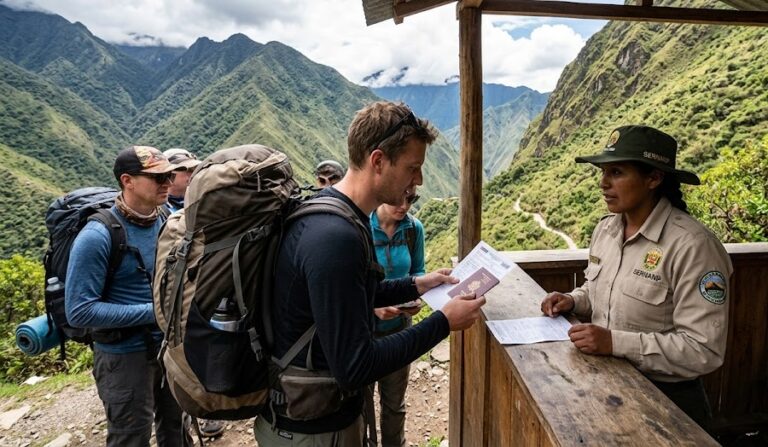
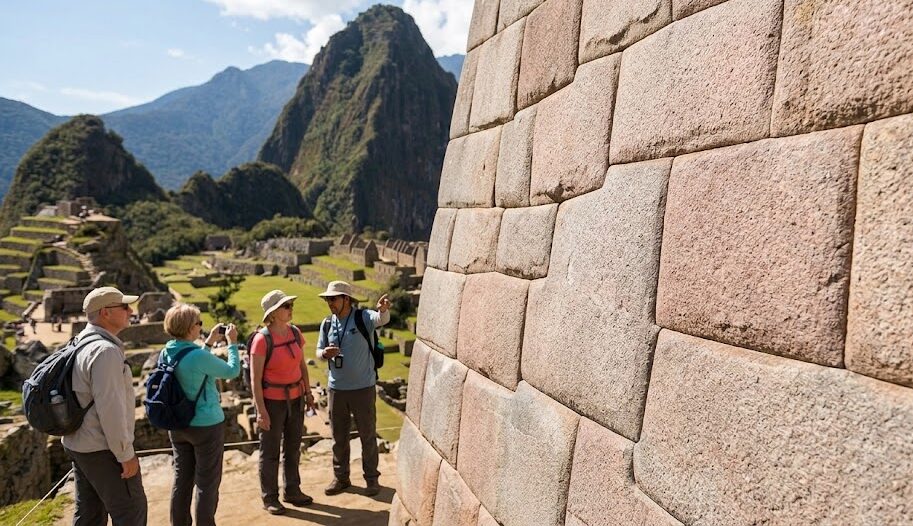
Once you arrive at the legendary ruins, your overall experience is entirely dependent on the quality of your guides. It is important to know that the Peruvian government strictly regulates entry to both the trail and the ruins. You cannot explore the citadel independently; you must be accompanied by an official guide.
Booking Permits Months in Advance
Because the government limits the trail to only 500 people per day (including guides and porters), permits sell out incredibly fast. If you want to hike during the peak dry season (May to September), you must book your inca citadel tours and trail permits at least 6 to 8 months in advance.
What to Look for in a Tour Operator
When selecting an agency for your inca citadel tours, do not just look for the cheapest price. A reputable, ethical agency is crucial. Ensure your operator:
- Provides a comprehensive 2 to 3-hour guided walkthrough of the citadel, explaining the astronomical alignments of the Temple of the Sun and the sophisticated agricultural terracing.
- Treats their porters ethically, providing them with proper hiking boots, carrying limits, and fair wages.
- Offers additional tickets to climb Huayna Picchu or Machu Picchu Mountain (these must be requested at the time of booking).
Black Diamond Trail Cork Trekking Poles
Do not underestimate the descent. Walking down thousands of steep, irregular stone steps will destroy your knees without proper support. These ultra-lightweight, sweat-resistant cork poles absorb up to 25% of the impact, saving your joints so you can actually enjoy the final day exploring the ruins.
Check Current Price on AmazonFinal Thoughts: A Journey Worth the Effort
Hiking to Machu Picchu is not a walk in the park. It requires sweat, resilience, and respect for the sheer power of the Andes. But standing at the Sun Gate, looking down at a city built by an empire that defied gravity and geography, you will realize that every grueling step was worth it. Pack smart, train hard, and prepare for the adventure of a lifetime.
FAQ – Inca Trail to Machu Picchu
What is the Inca Trail?
The Inca Trail is a historic 26-mile trekking route in Peru. It was built by the ancient civilization to connect the Sacred Valley to the remote royal estate of Machu Picchu, serving both religious and ceremonial purposes for the Inca elite.
How long is the Inca Trail?
The classic trek takes 4 days and 3 nights to complete. Trekkers cover roughly 26 miles (42 km) over high-altitude mountain passes, walking an average of 6 to 9 hours each day across challenging, steep terrain.
Can you hike the trail without a guide?
No, independent hiking is strictly prohibited by the Peruvian government. All trekkers must be accompanied by an officially licensed tour operator to preserve the archaeological integrity of the site and ensure tourist safety.
When is the best time to go?
The dry season, from May to September, is the best time to hike. The weather is generally clear and sunny during the day, though nights can be freezing. Note that the entire trail is closed every February for heavy rain and maintenance.
How high is the altitude on the trail?
The highest point of the trek is Dead Woman’s Pass at 13,828 feet (4,215 meters). Interestingly, Machu Picchu itself is much lower, sitting at 7,972 feet (2,430 meters). Proper acclimatization in Cusco before the hike is absolutely mandatory.