
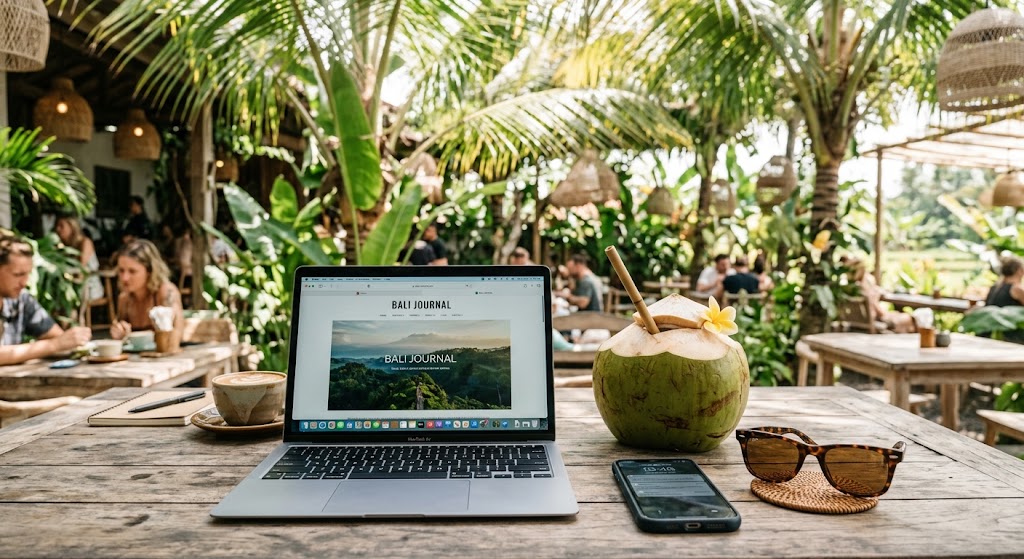
The Ultimate Guide to Being a Digital Nomad in Southeast Asia
Disclaimer: This post may contain affiliate links, meaning we earn a small commission if you make a purchase through our links, at no additional cost to you. As an Amazon Associate, I earn from qualifying purchases.
Trading a grey cubicle for a beachfront cafe might sound like a cliché Instagram fantasy, but for hundreds of thousands of location-independent professionals, it is a daily reality. From systems analysts troubleshooting complex server configurations remotely, to affiliate marketers running heavy SEO keyword analyses on platforms like NeuronWriter, the modern workforce is untethered. And if there is one region on Earth that serves as the undisputed mecca for this lifestyle, it is Southeast Asia.
Unlike planning a short, intense hiking trip and figuring out where to go in Patagonia, moving to Southeast Asia as a digital nomad is about finding a sustainable rhythm. You need reliable Wi-Fi, an affordable cost of living, inspiring surroundings, and a strong community of like-minded expats. Whether you are traveling solo or embarking on a family worldschooling adventure, this comprehensive digital nomad southeast asia guide will help you navigate the transition, choose the right hub, and pack the essential gear to keep your remote career thriving.

📌 Key Takeaways (TL;DR)
- The Holy Trinity: Thailand (Chiang Mai), Indonesia (Bali), and Vietnam (Da Nang) are the undisputed top destinations offering the best infrastructure and nomad communities.
- Cost of Living: You can live an incredibly comfortable lifestyle, including modern apartments and eating out daily, for $1,200 to $1,500 USD a month.
- Pack Light: Budget airlines dominate regional travel. Traveling with a carry-on backpack under 7kg will save you hundreds of dollars in hidden baggage fees.
- Prioritize Ergonomics: Hunching over cafe tables will ruin your back. Invest in portable laptop stands and utilize professional coworking spaces for focused work.
You’ll see…
Why Southeast Asia?
The appeal of Southeast Asia goes far beyond cheap Pad Thai and tropical beaches. The region has actively adapted to the influx of remote workers.
First, the cost of living (geo-arbitrage) is exceptionally low. A lifestyle that would cost $4,000 a month in New York or London can easily be maintained for $1,200 to $1,500 in Chiang Mai or Da Nang, including eating out for every meal and renting a modern apartment with a pool. Second, the infrastructure has evolved. Fiber-optic internet is standard in most major hubs, and there is a booming industry of premium coworking spaces designed specifically for foreign workers.
The Holy Trinity of Nomad Hubs
While you can theoretically open your laptop anywhere from a quiet beach in Cambodia to a bustling street corner in the Philippines, the vast majority of digital nomads gravitate toward three main countries.
1. Thailand (Chiang Mai & Bangkok)
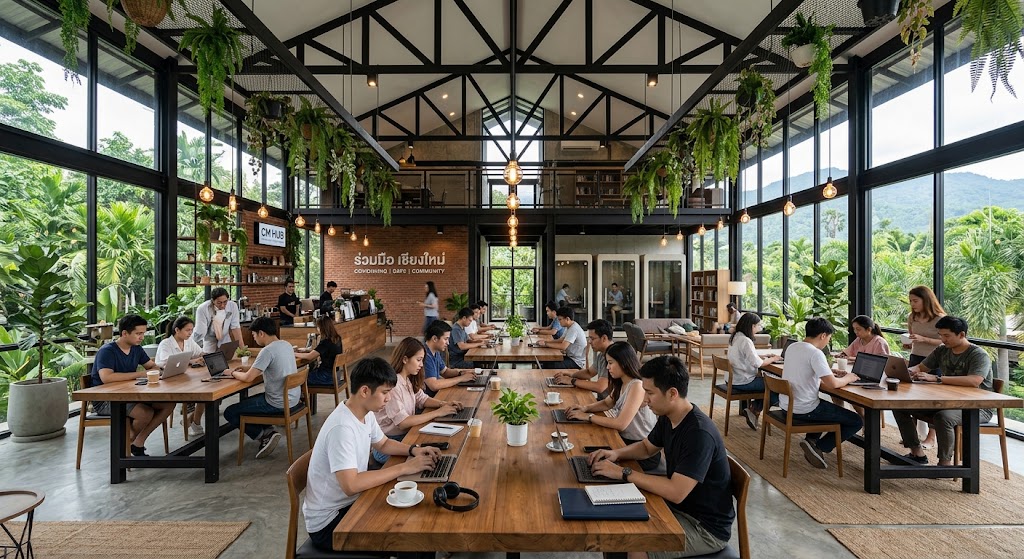
Thailand is the gold standard. Chiang Mai, located in the mountainous north, is widely considered the digital nomad capital of the world. It is heavily populated by SEO specialists, drop-shippers, and web developers. The cafe culture here is unparalleled, and it is incredibly easy to network. Bangkok, on the other hand, offers a massive, futuristic metropolitan experience for those who prefer skyscraper views and a hyper-fast urban pace.
2. Indonesia (Bali)
If your aesthetic leans more toward surfing, yoga, and jungle villas, Bali (specifically the towns of Canggu and Ubud) is the ultimate destination. Bali has a massive expat community and some of the most beautifully designed coworking spaces in the world. However, the island has struggled with massive traffic congestion and rising prices in recent years due to its overwhelming popularity.
3. Vietnam (Da Nang & Ho Chi Minh City)
Vietnam has rapidly emerged as the favorite alternative for nomads who feel Thailand and Bali have become too saturated. Da Nang offers a spectacular balance: it is a modern coastal city with a massive, uncrowded beach, excellent infrastructure, and a cost of living that is even lower than Thailand. Ho Chi Minh City provides a chaotic, energetic, and highly caffeinated environment for entrepreneurs who thrive on hustle.

Logistics: Flying and Moving Fast
One of the greatest benefits of the digital nomad southeast asia lifestyle is regional mobility. Budget airlines like AirAsia and Scoot offer flights between major countries for less than $50. If you are comparing regional travel and wondering how long is summer vacation in Japan to time a quick getaway to Tokyo, you will find Southeast Asian airports incredibly well-connected.
However, budget airlines have notoriously strict carry-on weight and size limits (usually capped at 7kg). Checking a bag often costs more than the flight itself. Therefore, adopting a minimalist, “carry-on only” philosophy is not just a preference; it is a financial strategy.
Accommodation, Visas, and Safety
Finding a place to live is incredibly easy. Unlike Western countries that require credit checks, guarantors, and a 12-month lease, Southeast Asia operates on flexibility. You can arrive in Chiang Mai, view a fully furnished condo in the morning, pay a small cash deposit, and move in by the afternoon on a month-to-month contract.
Visas remain the trickiest part of the lifestyle. Most nomads operate in a grey area, entering on tourist visas and doing “visa runs” (crossing the border for a day and returning to renew their stamp) when their time expires. However, countries like Thailand and Indonesia are finally rolling out official “Digital Nomad Visas” to legally accommodate long-term remote workers.
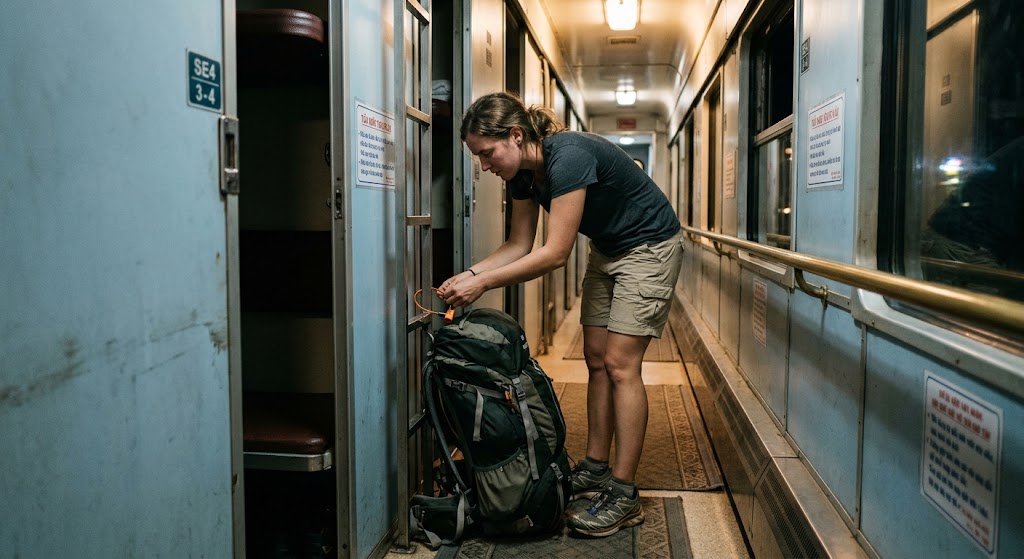
When it comes to safety, Southeast Asia is generally much safer than Europe or the Americas regarding violent crime. However, petty theft, especially on overnight buses or in shared hostel dormitories, is a common issue you must prepare for.
Portable Ergonomic Foldable Laptop Stand
Do not sacrifice your posture for the nomadic lifestyle. Looking down at a laptop screen for hours while sitting in Thai cafes will result in severe neck and back pain. This ultra-lightweight, foldable aluminum stand elevates your screen to eye level, ensuring proper ergonomics anywhere in the world. It collapses down to the size of a small fan, fitting seamlessly into any daypack without adding noticeable weight.
Check Current Price on AmazonThe Reality of Working Remotely
It is easy to get distracted by island boat tours and cheap massages, but a digital nomad is, first and foremost, a professional. Building a sustainable routine is crucial.
If you are managing WordPress databases or designing landing pages, hunching over a tiny café table for eight hours a day will destroy your cervical spine within a month. Treating your physical workspace with respect is the secret to longevity in this lifestyle. Most successful nomads invest in a membership at a dedicated coworking space to separate their “work” mindset from their “travel” mindset.
Frequently Asked Questions
Is the internet fast enough in Southeast Asia for video calls?
Yes, absolutely. Major hubs like Chiang Mai, Bangkok, Da Nang, and Bali have excellent fiber-optic infrastructure. Coworking spaces regularly offer speeds exceeding 100 Mbps, making Zoom calls, server management, and heavy video uploads entirely seamless.
How much does it cost to be a digital nomad in Southeast Asia?
A comfortable budget ranges from $1,200 to $1,800 USD per month. This covers renting a modern studio apartment (often with a gym and pool), eating out for almost every meal, paying for a coworking space membership, and local entertainment. Extreme budget backpackers can survive on $800, while luxury living starts around $2,500.
Do I need to pay taxes if I am a digital nomad?
Yes, but the rules are complex. Generally, if you stay in a single country for more than 183 days in a calendar year, you become a tax resident of that country. Most nomads move every 1 to 3 months, remaining tax residents of their home countries and avoiding local income taxes.
Is it safe to travel alone in Southeast Asia?
Yes, it is one of the safest regions in the world for solo travelers. Violent crime against foreigners is exceptionally rare. The biggest threats to nomads are motorcycle accidents (always wear a helmet) and petty theft (pickpocketing or bag snatching in crowded tourist areas).
Can I drink the tap water in Southeast Asia?
No, you should never drink tap water in Southeast Asia. Always rely on bottled water, filtered water refill stations, or travel with a high-quality water purifier bottle. Even locals boil or filter their water before consumption.