Guide to Worldschooling: Travel the World as Nomadic Families
Disclaimer: This post may contain affiliate links, meaning we earn a small commission if you make a purchase through our links, at no additional cost to you. As an Amazon Associate, I earn from qualifying purchases.
The concept of worldschooling is transforming how we think about travel and education. For many nomadic families, the traditional classroom is no longer the only venue for development. Instead, worldschooling for families has emerged as a powerful alternative education movement. It is a philosophy centered on learning through travel, where the entire planet becomes a living, breathing textbook. This educational approach turns global exploration into a profound learning experience, allowing children to explore the globe not through maps, but through real-world experiences.
Ultimately, worldschooling is a lifestyle choice that replaces the rigid routines of a regular school with the freedom to learn organically. By choosing this path, worldschooling parents decide to explore the world alongside their children, turning every destination into a customized academy. Whether you are an experienced homeschool parent or a travel family looking to escape the conventional school system, this guide to worldschooling will help you navigate this incredible world travel journey, aka world schooling. Many families who start this lifestyle choose to homeschool initially before transitioning completely into a full worldschool setup.
The Core Benefits of Worldschooling vs. Traditional Classroom
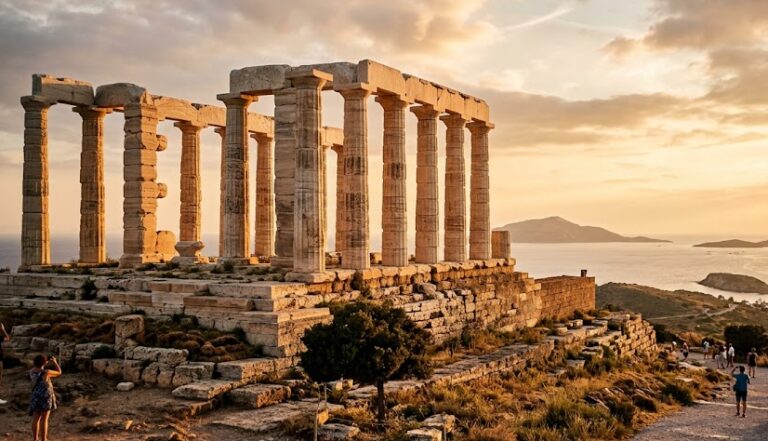
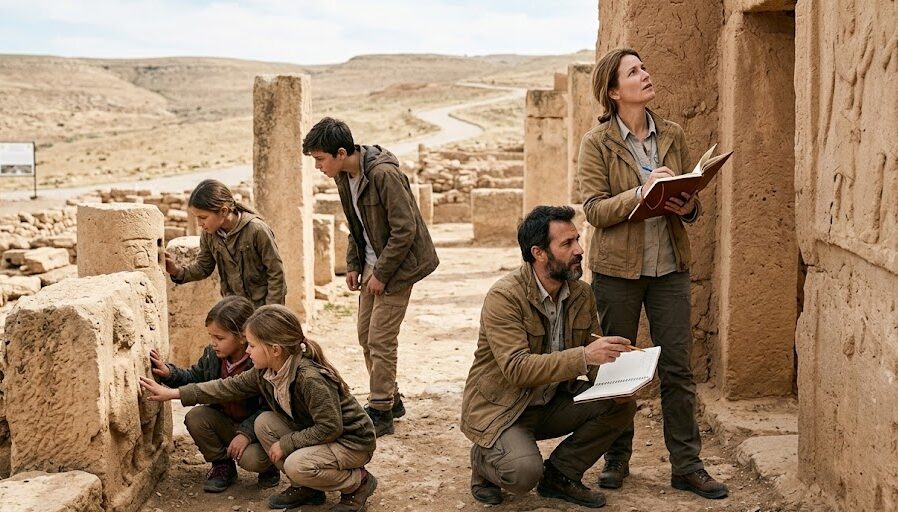
When comparing homeschooling and worldschooling to standard education, the benefits of worldschooling become abundantly clear. In a conventional classroom, students often memorize data from a static textbook to pass an exam. For worldschoolers, however, geography, history, and sociology are taught through direct cultural immersion. When worldschooling kids walk through the ruins of Rome or touch the ancient stones of the Egyptian pyramids, they absorb history in a way no regular school can duplicate. This unique approach is exactly why so many worldschooling families choose this path over conventional methods.
This hands-on, experiential learning fosters incredible adaptability and problem-solving skills in children while traveling. Instead of following a strict, unyielding formal curriculum, the beauty of worldschooling lies in its fluid nature. It encourages slow travel, which allows a travel family to truly immerse themselves in local traditions, languages, and ecosystems. Rather than just reading about marine biology, a worldschooling family can dive into the ocean to observe coral reefs firsthand, creating an indelible learning experience that lasts a lifetime. For these worldschooling families, the world school approach offers a richer alternative to standard education.
Homeschooling, Unschooling, and the Worldschooling Curriculum
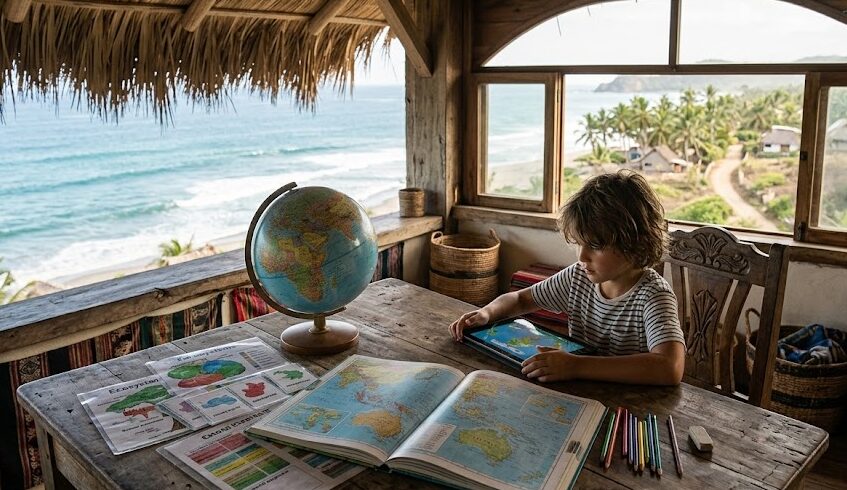
One of the most common questions from parents starting your worldschooling adventure is: what curriculum to follow? The truth is, there is no single, set curriculum required for real worldschooling. The movement accommodates a wide spectrum of educational philosophies, ranging from structured homeschooling families to radical unschooling.
Some homeschooling families prefer to bring a structured worldschooling curriculum with them on the road. They utilize digital platforms, online academies, or classic textbooks to ensure their children meet specific academic milestones. Other worldschoolers lean heavily toward unschooling, an educational approach driven entirely by the child’s natural curiosity. In this modality, there is no formal curriculum or rigid school schedule; a visit to a local market becomes a lesson in mathematics and economics, while navigating a foreign transit system teaches logic and geography. Many worldschooling parents find a middle ground, creating a hybrid world school environment that blends structured learning with the freedom of real-world discovery. If you want your child to experience a true worldschool lifestyle, you can combine a basic homeschool routine with experiential travel.
How to Start Worldschooling: Tips for New Worldschooling Parents
If you are ready to start worldschooling, the transition requires careful preparation but offers immense rewards. The first step on your worldschooling journey is shifting your mindset away from the concept of a stationary school. You must embrace the idea that officially makes the world your classroom, and that education happens 24/7, not just between 9 AM and 3 PM. For many, a simple homeschool setup is the easiest way to launch this lifestyle before discarding the set curriculum entirely.
To maximize the worldschooling experience for families making the leap, slow travel is highly recommended. Moving too quickly can cause travel burnout and disrupt the continuity of education. Spending months in a single location allows a travel family to establish a comfortable routine, balance remote work, and give children time to truly absorb their surroundings. Additionally, if you want to explore worldschooling further, connecting with existing homeschooling and worldschooling networks can provide invaluable support, offering worldschooling tips on everything from legal compliance in your home country to managing local logistics. Many worldschooling families through social media share these tips daily.
How to Afford Worldschooling: Digital Nomad Realities and Cost of Living
A major hurdle for many who wish to see the world is understanding how to afford worldschooling. For the vast majority of nomadic families, the lifestyle is funded by the digital nomad economy. Parents work remotely as freelance writers, software engineers, online tutors, or corporate remote employees, balancing professional responsibilities with family travel.
The secret to managing the financial aspect lies in analyzing the cost of living in various worldschooling destinations. By practicing slow travel in budget-friendly regions like Southeast Asia, parts of Latin America, or Eastern Europe, a worldschooling family can significantly lower their monthly expenses compared to living in a major Western city. This financial strategy allows families to redirect their income toward unforgettable real-world experiences, museum admissions, and cultural tours, making worldschooling is a lifestyle that is both sustainable and enriching over the long term. This allows worldschooling families to enjoy global exploration without financial strain.
Finding Community: Worldschooling Facebook Groups and Hubs
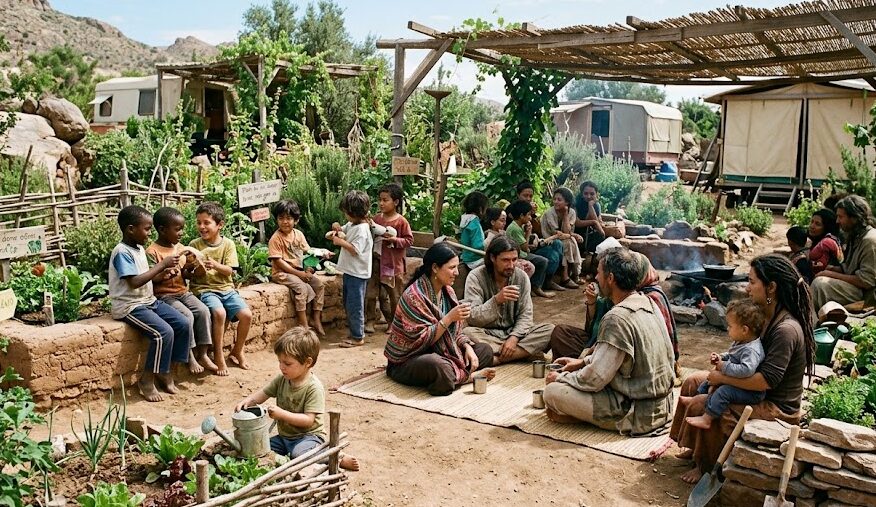
A common misconception is that worldschooling kids grow up isolated without social interaction. In reality, the global community is thriving, and finding other worldschooling families through social media has never been easier. Platforms like Facebook are filled with active groups, such as a dedicated worldschooling facebook group, where parents share advice, organize meetups, and review popular worldschooling destinations.
Furthermore, the rise of permanent and seasonal worldschooling spaces has revolutionized the nomadic lifestyle. A worldschooling hub is a specific location where nomadic families gather for weeks or months at a time, creating a pop-up world school community. Organized initiatives, such as Project World School, offer structured co-learning environments and teen retreats. These worldschooling communities allow children to form deep, lasting friendships with peers from around the globe, while parents share resources and enjoy a supportive collective environment.
Learning Links: The Ultimate Resource Hub for the Traveling Classroom
To support your ongoing educational journey, we have compiled this dedicated resource hub, designed to be the ultimate virtual traveling classroom. These curated learning links bridge the gap between traditional academics and experiential education, providing worldschoolers and homeschoolers with the perfect tools to turn the world as their classroom into an organized study space.
- Global Geography & Mapping Tools: Interactive platforms designed to help students map their physical travel routes, study historical borders, and analyze global topography in real time.
- Experiential Science Guides: Fieldwork templates and marine biology checklists that turn any beach, forest, or volcanic site into a hands-on laboratory.
- Alternative Education & Unschooling Resources: Frameworks for tracking learning milestones without a formal curriculum, perfect for tracking real-world experiences and cultural immersion credits.
- Worldschooling Curriculum Suppliers: A vetted list of flexible, digital-first curriculum providers that accommodate the fluid schedules of nomadic families and digital nomad parents.
- The Worldschooling Facebook Network: Direct connections to localized worldschooling communities and regional hubs to ensure your travel family stays connected wherever you roam.
By utilizing these learning links and engaging with global worldschooling communities, you can ensure your children receive a world-class education powered by the ultimate teacher: the world itself.
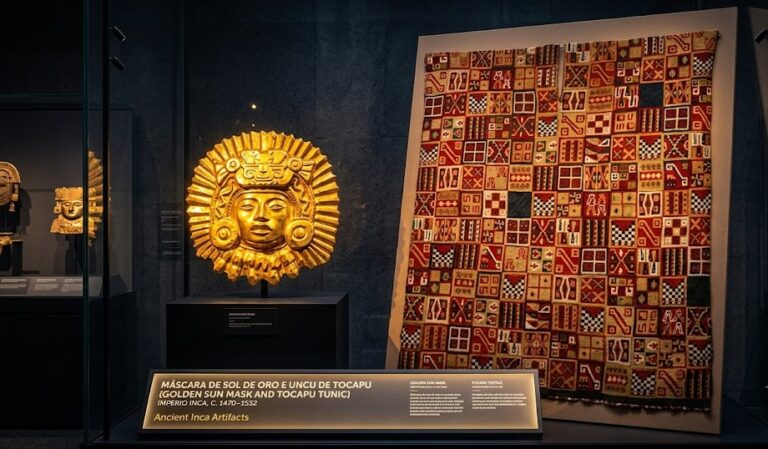
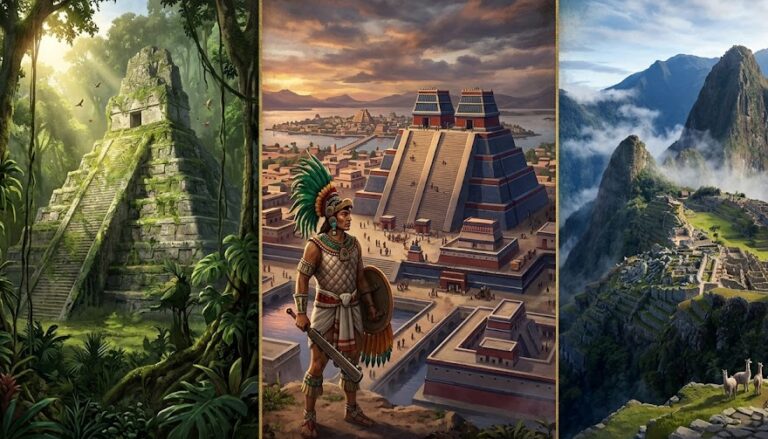
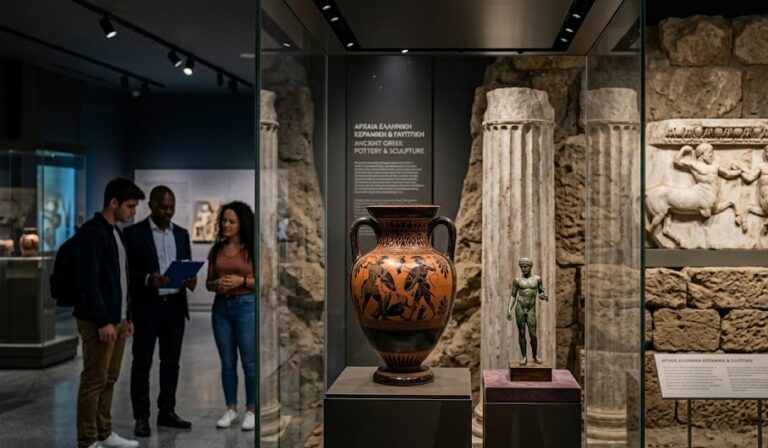
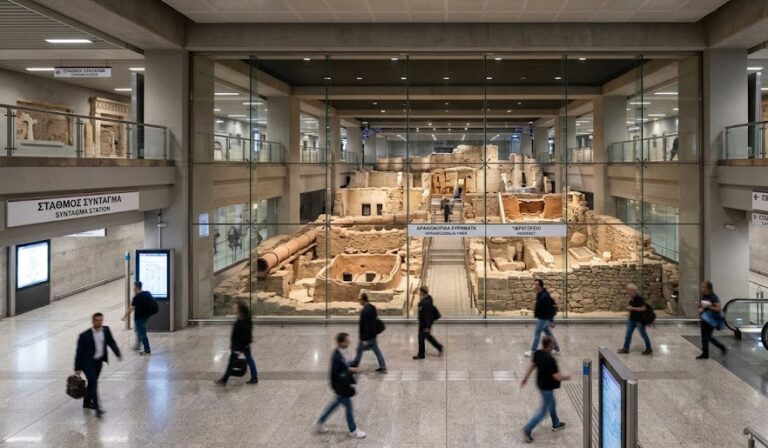
*Editorial Note: The visual representations of historical sites and international worldschooling hubs in this article are AI-assisted reconstructions. They are designed for educational purposes to help readers visualize these vibrant educational environments based on current global travel data.