The Art of Inca: Textiles, Metallurgy, and Ancient Masterpieces
Disclaimer: This post may contain affiliate links, meaning we earn a small commission if you make a purchase through our links, at no additional cost to you. As an Amazon Associate, I earn from qualifying purchases.
When modern travelers think of ancient history, their minds often wander across the globe. They might picture the marble perfection of ancient Greek artifacts, the elaborate frescoes of the Minoan civilization in Crete, or the towering pyramids of Egypt. However, hidden high within the rugged peaks of the South American Andes lies a completely different, yet equally brilliant, artistic legacy.
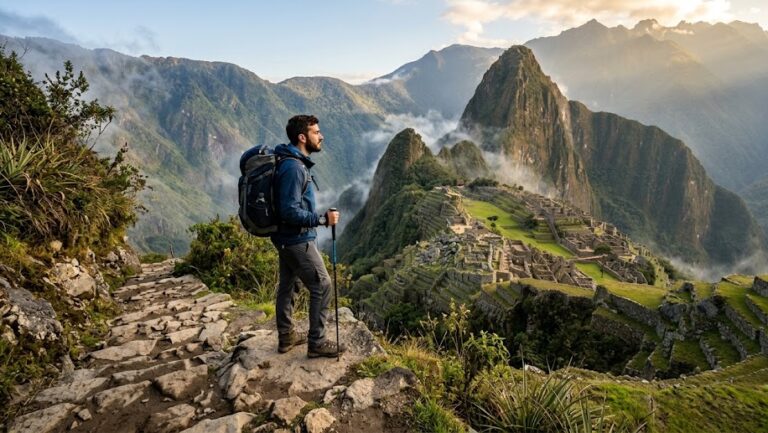
Every year, thousands of hikers brave the Inca Trail to Machu Picchu and stare in awe at the monumental stone cities left behind. But architecture is only one piece of the puzzle. The true art of inca was deeply woven—literally and figuratively—into the everyday lives, religious ceremonies, and political structures of the empire. From textiles considered more precious than gold to masterpieces of metallurgy that were tragically melted down by conquistadors, the artistic expression of the Inca Empire is a fascinating story of functionality meeting profound spiritual symbolism.
📌 Key Takeaways (TL;DR)
- Textiles Over Gold: In the Inca worldview, finely woven textiles (cumbi) were considered the most valuable objects in the empire, far surpassing the value of precious metals.
- Abstract and Geometric: Unlike European art, Inca art was highly functional and geometric. Patterns on clothing (tocapus) acted as a visual language to denote social rank and origin.
- Lost Masterpieces: The Incas created incredible, life-sized gardens of solid gold and silver, almost all of which were melted into ingots by Spanish conquistadors.
- Stone as Art: Architecture was their most permanent artistic expression, featuring massive stones cut so perfectly they fit together without mortar.
You’ll see…
What Defined the Art of Inca?
To truly understand the art of inca, we must completely discard the traditional Western definitions of art. In Renaissance Europe, art was largely representational—painters and sculptors strove to recreate the human form or capture realistic landscapes on canvas.
The Incas, however, did not paint portraits or sculpt highly detailed statues of their emperors. Their art was fundamentally abstract, geometric, and, above all, highly functional. Because the Inca civilization did not possess a formal written language, their art became their primary medium for communication. Social status, regional identity, religious devotion, and military rank were all communicated through the visual language of their crafts. The most prominent mediums for this expression were textiles, metallurgy, ceramics, and stone architecture.
Textiles: The Highest Form of Inca Art
If you were to ask an Inca nobleman what the most valuable object in the empire was, he would not point to a pile of gold. He would point to a piece of cloth. In the Andean world, textiles were the absolute pinnacle of artistic achievement and economic wealth.
The Sacred Cumbi Cloth
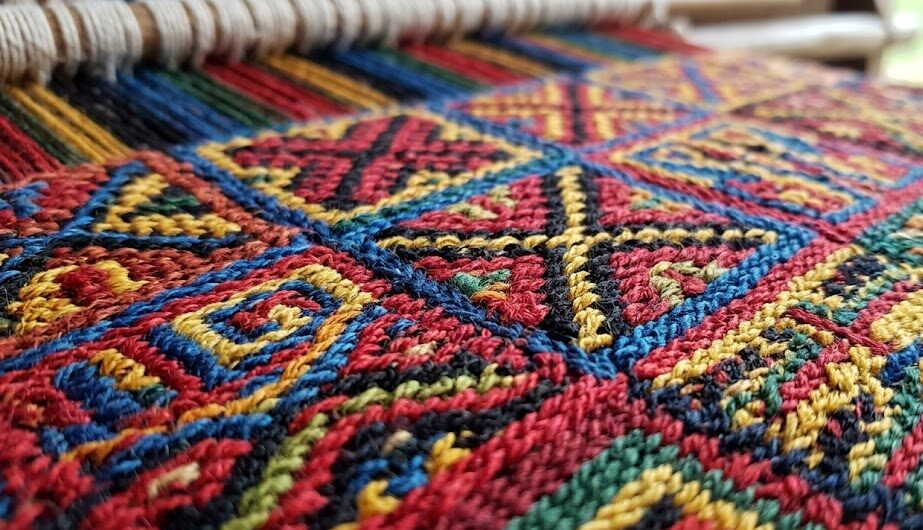
The highest quality textiles were known as cumbi. Woven by specially chosen women called the aqllas (Virgins of the Sun), these garments were made from the finest, softest baby alpaca and vicuña wool. The weaving was so incredibly tight and precise that the finished cloth felt almost like modern silk. These textiles were used as royal garments, given as high-level diplomatic gifts to appease conquered tribal leaders, and frequently burned as sacred offerings to the Sun God, Inti.
The Language of Tocapus
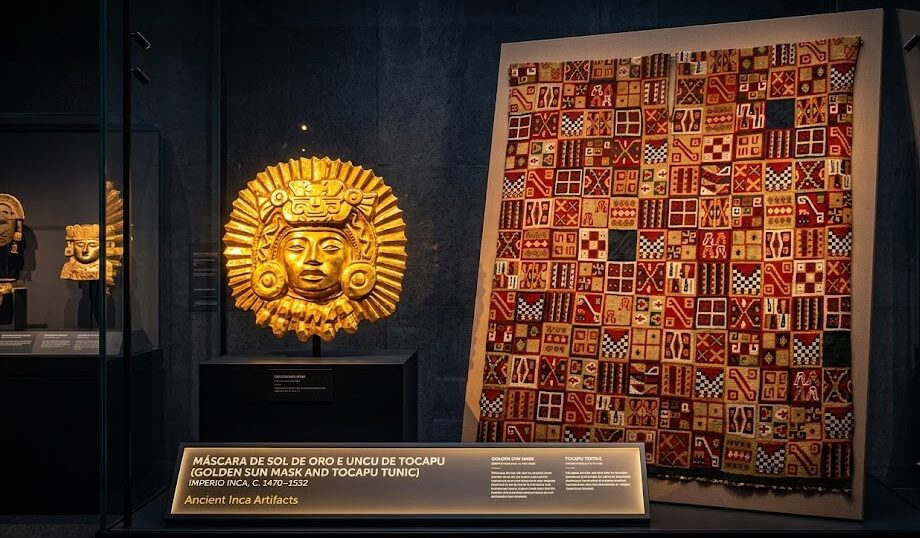
The visual brilliance of Inca textiles lay in their use of tocapus. These were highly stylized, geometric squares woven in repeating patterns across tunics and mantles. Historians and archaeologists believe that these tocapus were not just decorative; they functioned as a form of proto-writing or heraldry. Different geometric patterns signified a person’s profession, their family lineage, or the specific province of the vast empire they hailed from. Wearing a tunic with a specific tocapu was the equivalent of wearing a modern ID badge and a coat of arms simultaneously.

Metallurgy: The Sweat of the Sun and Tears of the Moon
While textiles held the highest cultural value, it was the stunning metallurgical art of inca that ultimately doomed the empire by attracting the greed of the Spanish conquistadors. The Incas were master metalsmiths, working extensively with gold, silver, copper, and bronze.
Unlike European cultures that valued gold strictly as a monetary currency, the Incas viewed precious metals through a purely spiritual lens. They referred to gold as the “sweat of the sun” and silver as the “tears of the moon.” Therefore, gold was exclusively reserved for the nobility and for religious artifacts.
The Lost Garden of Coricancha
The ultimate display of Inca metallurgy was the Coricancha, the Sun Temple in the capital city of Cusco. Historical accounts from the first Spanish chroniclers describe a temple that defies imagination. The exterior walls were covered in massive, solid gold plates. Inside, there was a life-sized, incredibly detailed garden made entirely of precious metals. The artisans had crafted golden llamas, silver foxes, life-sized golden corn stalks, and delicate silver butterflies.
Tragically, almost none of this magnificent art survives today. When the Spanish captured the Inca Emperor Atahualpa, the Incas stripped the Coricancha of its art to pay his ransom. The conquistadors callously melted down these priceless, intricate sculptures into generic gold ingots to be shipped back to Spain.

Ceramics and Pottery: Function Meets Beauty
Inca ceramics are a perfect reflection of their society: standardized, highly functional, and mathematically precise. While earlier Andean cultures (like the Moche or Nazca) created wildly imaginative and colorful pottery featuring animals and human faces, the Incas preferred strict geometric order.
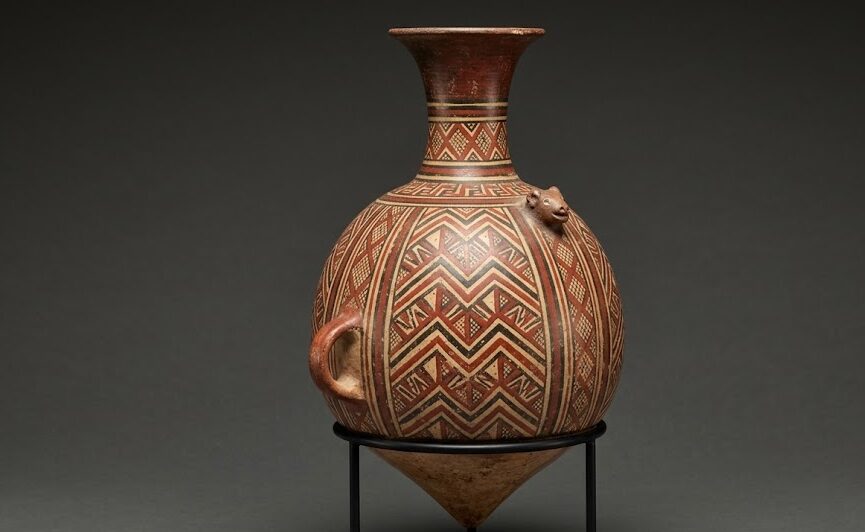
The most iconic piece of Inca pottery is the aryballos (or urpu). This was a large, uniquely shaped vessel featuring a pointed base, a wide belly, a flared neck, and two small handles near the bottom. It was designed specifically for brewing, storing, and transporting chicha (a fermented corn beer that was central to Inca religious festivals).
The pointed base allowed the vessel to be pushed securely into the soft dirt floor of a house, keeping it upright. When it needed to be moved, a rope was passed through the handles and strapped to a porter’s back. The surface of these vessels was typically painted with red, black, and cream slips, utilizing repeating triangles, checkerboards, and intersecting lines that mirrored the tocapu patterns found in their textiles.
Architecture as Art: The Stone Canvas
No discussion of the art of inca is complete without mentioning their architecture. To the Incas, cutting and arranging stone was an artistic endeavor that required deep spiritual respect for the natural environment.
The elite Inca stonemasons used a technique called ashlar masonry. They cut massive blocks of granite and andesite so perfectly that they fit together like a 3D jigsaw puzzle without the use of a single drop of mortar. The joints were so tight that not even a modern razor blade could fit between them. Furthermore, their architecture was designed to harmonize with nature rather than dominate it. Temples and agricultural terraces were shaped to follow the natural contours of the mountains, incorporating living bedrock into the walls of their sanctuaries.
Handcrafted Vintage Leather Travel Journal
When you sit among the ancient ruins of Machu Picchu, you will want to capture the moment. Don’t rely on a smartphone screen. This premium rustic leather journal is filled with thick, unlined cotton paper—perfect for sketching the intricate stone architecture or writing down your thoughts as you retrace the steps of the Inca emperors.
Check Current Price on AmazonPreserving the Legacy
Today, the surviving art of the Inca Empire is scattered across museums in Lima, Cusco, and the rest of the world. While much of their gold was lost to history, their breathtaking textiles, resilient ceramics, and earthquake-proof stone cities remain. They stand as a testament to an ingenious civilization that found unparalleled beauty in geometry, nature, and deep spiritual devotion.
Frequently Asked Questions About the Inca Empire
When was the Inca empire founded?
The Inca Empire was officially founded in the early 13th century. It began as a small kingdom centered around the city of Cusco. However, it wasn’t until the reign of Emperor Pachacuti in 1438 that it began expanding rapidly into the massive empire known as Tawantinsuyu.
When did the Inca empire start its massive expansion?
The massive expansion started in 1438 AD. Under the leadership of Pachacuti, the Incas defeated the rival Chanca confederacy and began a relentless campaign of conquest and diplomacy, eventually stretching from modern-day Colombia down to central Chile.
How did the Inca empire fall?
The empire fell due to a combination of European diseases, a brutal civil war, and the Spanish invasion. Smallpox wiped out a massive portion of the population (including the Emperor) before the Spanish even arrived. The resulting civil war between two royal brothers weakened the empire, allowing Francisco Pizarro and a small band of conquistadors to capture the new Emperor, Atahualpa, in 1532.
How often did the Inca sacrifice humans?
Human sacrifice was rare and reserved for times of extreme crisis. Unlike the Aztecs, who practiced human sacrifice on a massive scale, the Incas only performed a ritual called Capacocha (often sacrificing specially chosen children) during major natural disasters like severe droughts, earthquakes, or the death of an Emperor.
What did Inca artists use to make their famous textiles?
Inca weavers primarily used wool from alpacas, llamas, and the highly prized vicuña. They dyed these fibers using natural sources, such as the cochineal insect (which produces a brilliant red) and various high-altitude plants and minerals.