Maya vs Inca vs Aztec: Understanding the Great Ancient Empires
Disclaimer: This post may contain affiliate links, meaning we earn a small commission if you make a purchase through our links, at no additional cost to you. As an Amazon Associate, I earn from qualifying purchases.
For travelers and history enthusiasts, exploring ancient ruins is like reading a time capsule written in stone. Whether you are wandering through Athens archaeological sites to understand the roots of Western democracy, or researching when Japan was founded to grasp the longevity of its emperors, tracing the origins of ancient civilizations provides profound context to our modern world.
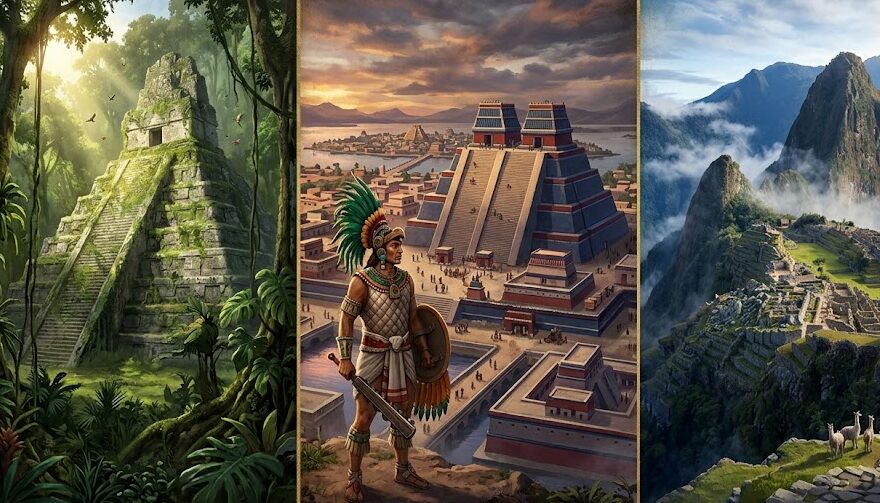
When it comes to the pre-Columbian Americas, three names dominate the historical landscape: the Maya, the Aztec, and the Inca. However, because these cultures are often grouped together in pop culture and textbooks, many people confuse them. In reality, the maya vs inca vs aztec debate is a comparison of three fiercely unique societies that existed in entirely different geographical regions, and in some cases, completely different eras.
In this comprehensive guide, we will break down the fundamental differences between the great builders of the Mesoamerican jungles, the fierce warriors of central Mexico, and the master engineers of the South American Andes.
📌 Key Takeaways (TL;DR)
- The Maya (The Intellectuals): An ancient collection of independent city-states in the jungles of Central America, famous for their advanced writing, mathematics, and astronomy.
- The Aztec (The Warriors): A fast-rising, brutal military empire in central Mexico that built a massive island capital and demanded heavy tributes from conquered tribes.
- The Inca (The Engineers): The largest empire in the Americas, located in the South American Andes, famous for their earthquake-proof stonework and 18,000 miles of roads.
- Did they meet? No. The Maya collapsed long before the Aztecs rose, and the Incas were completely isolated geographically in South America.
You’ll see…
The Maya: Masters of Mathematics and Time
Unlike the Aztecs and the Incas, the Maya civilization was never a single, unified empire ruled by one supreme king. Instead, they were a vast collection of powerful, independent city-states (similar to ancient Greece) that shared a common culture, religion, and language.
Geography and Timeline
The Maya thrived in the dense jungles of Mesoamerica, encompassing modern-day southern Mexico (the Yucatán Peninsula), Guatemala, Belize, and parts of Honduras and El Salvador. They are by far the oldest of the three civilizations. While their roots go back to 2000 BC, their “Classic Period”—when they built their most magnificent cities like Tikal, Palenque, and Copán—occurred between 250 AD and 900 AD. By the time the Spanish arrived in the 1500s, the greatest Maya cities had already been mysteriously abandoned for centuries.
Achievements and Culture
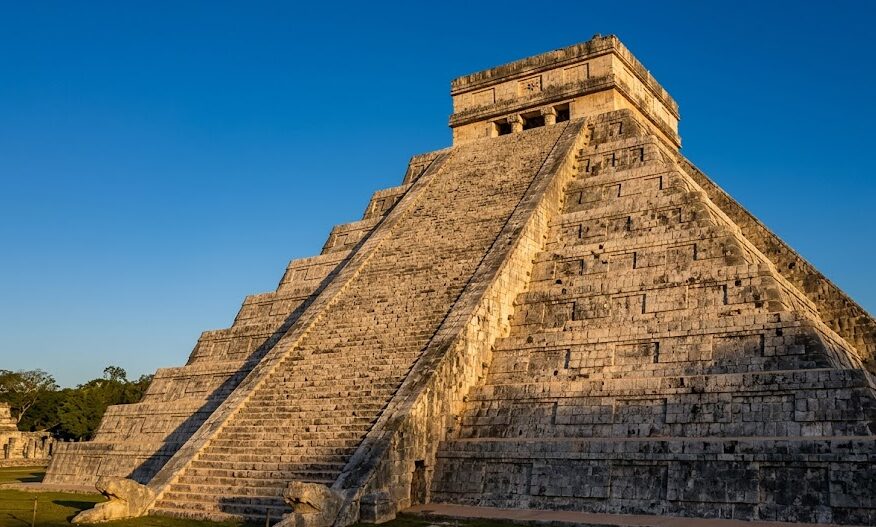
The Maya were the intellectuals of the ancient Americas. They developed the only fully functional written language in the pre-Columbian world, utilizing a complex system of hieroglyphs. They were also brilliant mathematicians who independently invented the concept of zero, allowing them to create incredibly accurate astronomical calendars. Their step pyramids, such as El Castillo at Chichen Itza, were giant, physical representations of their cosmological beliefs, built to align perfectly with the solstices and equinoxes.

The Aztec: The Fierce Warriors of the Lake
When examining the maya vs inca vs aztec timeline, the Aztecs are a surprisingly modern phenomenon. While the Maya were ancient, the Aztec Empire was a fast, brutal, and brilliantly organized military superpower that rose to dominance in the 14th century.
Geography and Timeline
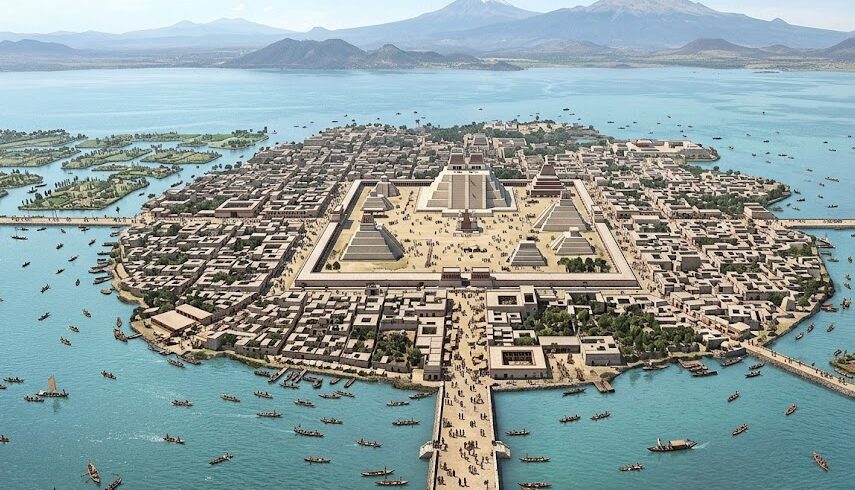
The Aztec Empire (which referred to itself as the Mexica) was located in central Mexico. Their timeline is remarkably short. They founded their legendary capital, Tenochtitlan, in 1325 AD, and their empire was completely destroyed by the Spanish conquistador Hernán Cortés in 1521 AD.
Achievements and Culture
The sheer engineering genius of the Aztecs is often overshadowed by their reputation for mass human sacrifice. Their capital city, Tenochtitlan, was built entirely on an island in the middle of Lake Texcoco (where modern-day Mexico City sits today). It was a sprawling metropolis larger than London or Paris at the time, featuring complex aqueducts, massive causeways, and floating agricultural gardens called chinampas.
The Aztec society was highly militaristic. Their economy relied heavily on extracting tribute (taxes in the form of food, luxury goods, and captives) from surrounding conquered tribes. This brutal taxation system ultimately led to their downfall, as neighboring tribes eagerly allied with the Spanish to overthrow their Aztec overlords.

The Inca: The Master Engineers of the Andes
While the Maya and Aztecs shared the same general region of Mesoamerica and cultivated corn as their staple crop, the Inca Empire was an entirely different beast, thriving thousands of miles to the south in some of the most unforgiving terrain on the planet.
Geography and Timeline
The Inca Empire (Tawantinsuyu) was located along the western coast of South America, running through the spine of the Andes mountains. At its height, it stretched from modern-day Colombia, down through Ecuador, Peru, Bolivia, and into central Chile. Like the Aztecs, the Inca Empire was relatively short-lived. It began its massive expansion under Emperor Pachacuti in 1438 AD and fell to the Spanish conquistador Francisco Pizarro in 1533 AD.
Achievements and Culture
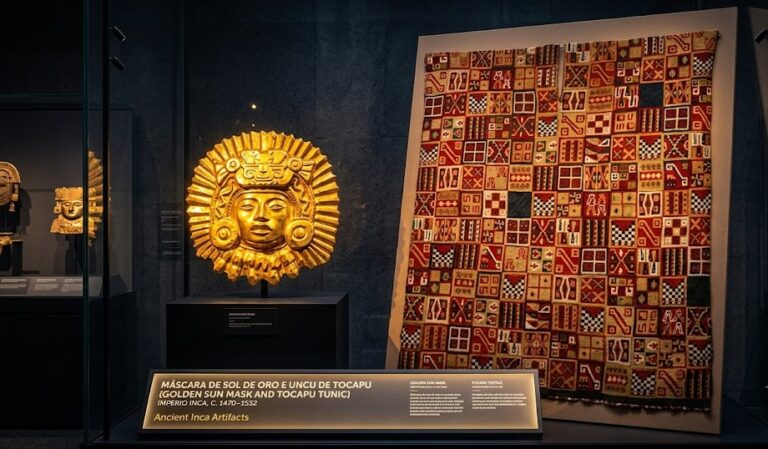
What makes the Inca so fascinating in the maya vs inca vs aztec comparison is their administrative and engineering genius. They built the largest empire in the pre-Columbian Americas without ever inventing the wheel, a formal writing system, or iron tools.
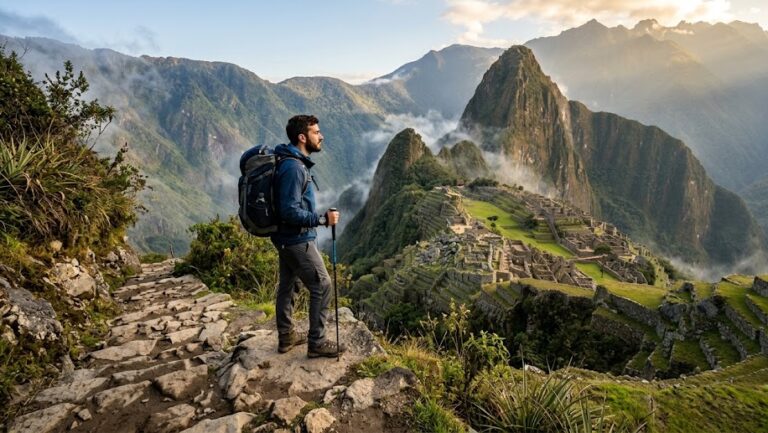
Instead of writing, they used the quipu (a complex system of knotted strings) to record numerical data and census information. To conquer the vertical landscape of the Andes, they built over 18,000 miles of paved roads and suspension bridges, allowing their armies and messengers to move rapidly. Their masonry, as seen in the fortress of Sacsayhuaman and the remote citadel of Machu Picchu, features colossal stones cut so perfectly that they can withstand massive earthquakes without a single drop of mortar.
The Clash of Two Worlds
The downfall of these three great civilizations marked the beginning of a new era. The arrival of European explorers in the 15th and 16th centuries—a period of rapid global shift that also led to settlements like St. Augustine, Florida—brought devastating diseases like smallpox, which wiped out up to 90% of the indigenous populations.
While the empires have fallen, their descendants still live on today. Millions of people in Mexico, Guatemala, and the Andean nations still speak their ancestral languages, keeping the rich history of the Maya, Aztec, and Inca alive in the modern world.
Columbia Bora Bora Booney Sun Hat
There is zero shade when walking through ancient ruins like Chichen Itza or Machu Picchu, and the sun at high altitudes or near the equator will fry you in minutes. This UPF 50 sun hat features a sweat-wicking headband and a wide brim to protect your face and neck. It is cheap insurance to guarantee you don’t spend the rest of your vacation treating terrible sunburns.
Check Current Price on AmazonFrequently Asked Questions About the Ancient Empires
Did the Maya, Aztec, and Inca ever meet?
No, they never met. The Maya and Aztecs were located in Mesoamerica (Mexico/Central America), but the Maya civilization had largely collapsed centuries before the Aztec Empire rose to power. The Inca were located thousands of miles away in South America, isolated by dense jungles and mountains.
Which civilization was the oldest?
The Maya civilization is by far the oldest of the three. Their agricultural roots trace back to 2000 BC, and their classic era of city-building peaked between 250 AD and 900 AD. The Aztec and Inca empires did not rise to power until the 14th and 15th centuries.
Which empire was the largest?
The Inca Empire was the largest. In fact, it was the largest empire in the entire world during the early 16th century, stretching over 2,500 miles along the western coast of South America and ruling over an estimated 10 million people.
Who conquered these civilizations?
The Spanish conquistadors conquered the Aztecs and the Incas. Hernán Cortés conquered the Aztec Empire in 1521, while Francisco Pizarro conquered the Inca Empire in 1533. The Maya were never conquered in a single blow, as they were comprised of independent city-states, but they gradually fell to Spanish colonization over nearly 200 years.
Are there descendants of these civilizations today?
Yes, absolutely. There are millions of direct descendants living today. The Nahua people in Mexico are descendants of the Aztecs. There are over 6 million Maya people living in Mesoamerica speaking dozens of Mayan languages, and millions of Quechua-speaking people in Peru and Bolivia who descend directly from the Incas.